
Water Treatment for Hospitals & Healthcare: Why Quality RO Parts Are Non-Negotiable
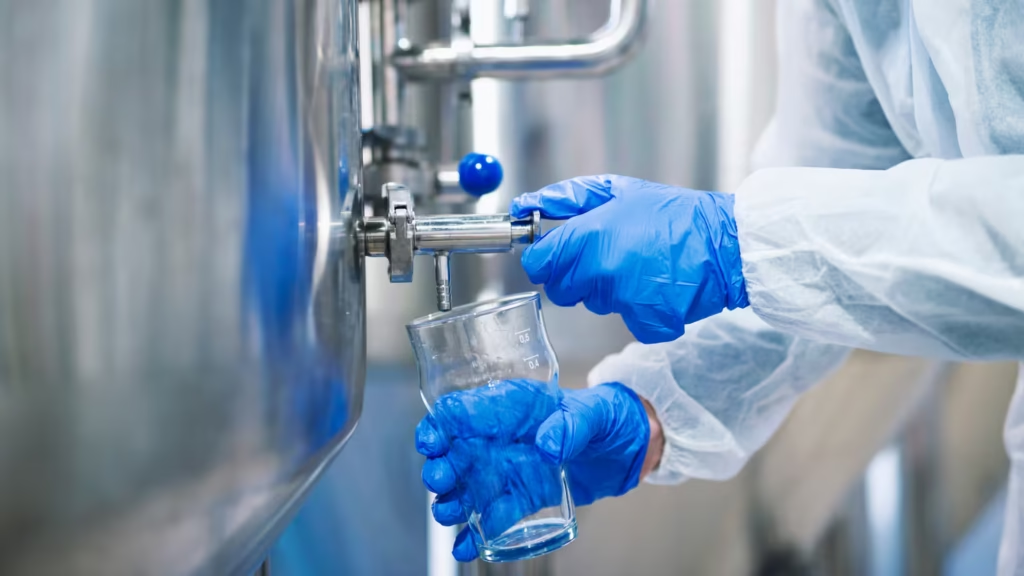
Water is not just a utility in a healthcare facility. It is a clinical input. From sterilization autoclaves and dialysis machines to scrub sinks and pharmaceutical compounding, the purity of water flowing through a hospital directly affects patient safety. A single lapse in water quality can trigger hospital-acquired infections, compromise sterile instrument processing, or introduce contaminants into life-critical procedures. This is why reverse osmosis (RO) technology sits at the heart of virtually every healthcare water treatment system and why the components you choose for that system are anything but a commodity purchase. The Unique Water Demands of Healthcare Facilities Hospitals and clinics face water quality challenges that ordinary commercial buildings simply do not. Consider: Hemodialysis units require ultra-pure water. Even trace levels of chloramines, bacteria, or heavy metals can cause acute patient harm. Central sterile departments rely on high-purity water to ensure that steam autoclaves do not deposit mineral scale inside surgical instruments or tubing. Pharmacies and compounding labs need water that meets USP Purified Water or Water for Injection standards. ICU and surgical wards require potable water free from Legionella, Pseudomonas, and other opportunistic waterborne pathogens. Ordinary municipal water, even when compliant with drinking water regulations, contains chlorine, chloramines, dissolved minerals, sediment, and biological material that can degrade medical equipment, invalidate lab results, and pose infection risks to immunocompromised patients. How Industrial and Commercial RO Plants Solve This Problem Reverse osmosis works by forcing water through a semi-permeable membrane at pressure, rejecting dissolved solids, bacteria, pyrogens, and organics. The result is water with significantly reduced total dissolved solids (TDS) that can then be further polished for specific clinical applications. Healthcare facilities typically deploy one of two scales of RO system: Industrial RO Plants are designed for large hospitals, multi-building campuses, and dialysis centers with high-volume, continuous demand. These systems produce thousands of liters per hour and often feed a looped distribution network throughout the facility, keeping purified water circulating at controlled temperatures to suppress bacterial growth. Commercial RO Plants serve mid-sized clinics, diagnostic labs, dental hospitals, specialty centers, and smaller nursing homes. They deliver reliable purity at volumes calibrated to the facility’s daily demand without the capital intensity of a full industrial installation. Both types share a critical dependency: the performance of every downstream component in the system. An RO membrane is only as effective as the pre-treatment train protecting it. The True Cost of Cutting Corners on RO Components Procurement teams under budget pressure sometimes treat RO components as interchangeable commodities and source the cheapest available parts. In a residential or light commercial context, this may be an acceptable calculated risk. In a hospital, it is not. Consider what happens when a pre-filter housing fails or a wound cartridge of dubious quality sheds fibers. The liability, reputational, and clinical consequences of a waterborne incident in a hospital vastly exceed the small cost savings from inferior components. A Framework for Specifying Healthcare RO Parts When evaluating RO components for a hospital or clinic system, apply this checklist: Material compliance: Are all wetted surfaces made from food-grade, medical-grade, or NSF-certified materials? Does the supplier provide material safety data sheets? Pressure ratings: Are housings and fittings rated comfortably above the operating pressure of your RO system, including surge conditions? Micron specificity: Do wound cartridges and inline micro filters carry independently certified micron ratings, not just nominal ratings? Absolute-rated filters provide reliable protection; nominal ratings are approximate. Compatibility: Do inline push-fit sets match the tubing diameter and fitting standards used elsewhere in your system? Mismatched fittings are a common source of leaks and contamination. Changeout intervals: Has the supplier provided validated service life data, not just general guidance? Healthcare facilities benefit from clear maintenance schedules that can be built into facility management systems. Traceability: Can the supplier provide batch documentation for cartridges? In a regulated healthcare environment, lot traceability matters for audit purposes. Local support: Is the supplier able to provide prompt stock and technical support? A dialysis unit cannot wait two weeks for a replacement cartridge. Integrating Water Treatment into Hospital Infrastructure Planning Water treatment is most effective when it is designed into the facility plan from the beginning rather than retrofitted. Healthcare architects and biomedical engineering teams should work together to: Map all water use points and their quality requirements Size the central RO plant for peak demand with redundancy Design a looped hot and cold distribution system that prevents stagnation Specify point-of-use filtration at all clinical outlets Establish a documented water safety plan aligned with WHO and national guidelines For existing facilities, a water quality audit is the logical starting point. Measure TDS, bacterial counts, chlorine residual, and hardness at multiple points in the distribution system. The audit results will identify whether the central treatment system is adequate and where pre-treatment or point-of-use upgrades are needed. Conclusion Water treatment in healthcare is a patient safety function, not a facilities management afterthought. The industrial and commercial RO plants that purify water for hospitals depend on a chain of components, wound filters, pre-filter housings, inline micro filter sets, and correctly matched membranes, each of which must perform reliably every day. Supportive technologies like copper filters and alkaline water filters further enhance water quality in areas where staff and patient wellbeing is the focus. Specifying quality-verified, standards-compliant RO components is not a luxury; it is a clinical imperative. The patients who depend on dialysis, sterile instruments, and uncontaminated water have no margin for error, and neither do the facilities responsible for their care. Looking to specify the right RO components for your hospital or healthcare facility? Connect with our team for a water quality audit and system recommendation tailored to your facility’s clinical and operational needs.
Why Investing in Advanced Contaminant Removal Matters
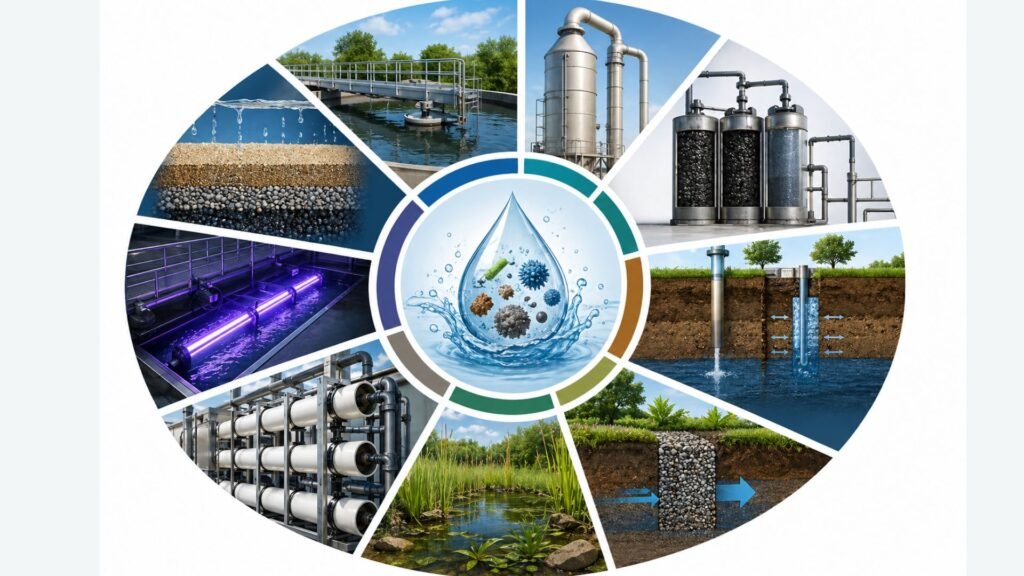
Across India and the world, industries, municipalities, and communities face growing challenges from groundwater contaminated with iron, nitrate, fluoride, arsenic, and other harmful substances. The answer lies in deploying advanced contaminant removal technologies — engineered, multi-stage systems designed to eliminate these threats efficiently and reliably. This guide breaks down what these technologies involve, how they work, and why they matter for industries and communities alike. What Are Advanced Contaminant Removal Technologies? Advanced contaminant removal technologies refer to a class of water treatment solutions that go beyond basic filtration. Rather than relying on a single method, these systems combine multiple purification mechanisms — adsorption, catalytic filtration, ion exchange, and oxidation — to target a wide spectrum of pollutants simultaneously. Unlike conventional filters, advanced systems are custom-engineered based on local water quality parameters and contaminant concentrations. This means every installation is tailored to the exact problem in hand, delivering consistent, measurable results that meet WHO and BIS drinking water standards. Key Technologies Used in Contaminant Removal 1. Adsorption Media Filtration Adsorption is the process by which contaminants bind to a specially designed media surface. It is highly effective against fluoride and arsenic — two of the most dangerous naturally occurring groundwater contaminants. Certified adsorption media ensures long operational life and predictable performance. 2. Catalytic Filtration Iron and manganese are among the most common groundwater issues in India. Catalytic filtration accelerates the oxidation of dissolved iron, converting it into a filterable solid that is then physically removed. This delivers clear, odourless water free from metallic taste and staining. 3. Ion Exchange Ion exchange technology is the gold standard for nitrate removal. It works by swapping harmful ions (like nitrates) with safe ones in a controlled resin bed. The result is water that is safe for drinking, irrigation, and industrial use. 4. Oxidation Treatment Oxidation technologies break down complex organic and inorganic compounds at the molecular level. When integrated with other stages, oxidation significantly enhances overall system performance and helps tackle emerging contaminants that conventional methods cannot address. Smart Contaminant Removal Plants (SCRP): Technology in Action Companies like Microfilter Polymers Ltd. (Nagpur) have brought these technologies together in compact, scalable Smart Contaminant Removal Plants (SCRP). These skid-mounted systems are designed for rapid deployment across a variety of settings — from villages and schools to industrial campuses and government projects. Key features of modern SCRP systems include: Multi-stage filtration for thorough, step-by-step purification Fully or semi-automatic operation with PLC/timer-based smart control panels Robust construction in FRP, MS, or SS depending on site conditions Flow capacities from 500 LPH to 1 MLD and beyond Solar power compatibility for off-grid and remote deployments Low power consumption and minimal maintenance requirements These systems are actively deployed under national programmes such as the Jal Jeevan Mission, Smart City Projects, and CSR initiatives — underlining their proven reliability at scale. Industries and Applications That Benefit Advanced contaminant removal technologies serve a wide range of sectors: Drinking water supply schemes (urban and rural) Healthcare and institutional facilities — hospitals, colleges, hostels Industrial and commercial plants requiring high-capacity treatment Pharmaceutical, laboratory, and food-grade purification Aquaculture and hatchery water systems Agriculture and irrigation supply Why Investing in Advanced Contaminant Removal Matters The health consequences of untreated contaminated water are severe — fluorosis, arsenic poisoning, developmental delays in children, and increased cancer risk. For industries, contaminated water also means equipment damage, product quality failures, and regulatory non-compliance. Advanced contaminant removal technologies offer a cost-effective, long-term solution that protects both people and operations. With compact designs, smart automation, and compliance with international standards, today’s systems are more accessible than ever — whether for a single school or a large industrial facility. Investing in the right water treatment technology is not just a regulatory checkbox — it is a commitment to health, sustainability, and operational excellence. For custom-engineered contaminant removal solutions, Microfilter Polymers Ltd. offers expert consultation and end-to-end system design. Contact: in**@*********er.org | +91 98231 83355 | W-19, MIDC Hingna, Nagpur 440016 Looking to Install a Water Aeration System? If you are planning to improve water quality in a lake, pond, treatment plant, or industrial water system, installing the right Water Aeration System is essential. Microfilter Polymers Ltd. offers customizable aeration solutions based on: Water body size and depth Oxygen transfer requirements Application type (aquaculture, STP, lakes, reservoirs, etc.) Power availability (electric or solar) For product specifications, site assessment, or installation support, you can contact Microfilter Polymers Ltd. to discuss the right Water Aeration System for your project.
Why Your Tap Water is Not 100% Safe
When you turn on your tap, you expect clean and safe drinking water. But the reality is—tap water is not always 100% safe, even if it looks clear. Tap water filtration is essential to remove harmful impurities and ensure safe drinking water at home Many households unknowingly consume water that may contain harmful contaminants, chemicals, and bacteria. In this blog, we’ll explain why tap water isn’t completely safe and how you can protect your family with the right water filtration solution. What Makes Tap Water Unsafe? Tap water goes through treatment processes before reaching your home. However, during its journey through pipelines and storage systems, it can still get contaminated. Many households rely on tap water filtration to protect their families from hidden contaminants. What Makes Tap Water Unsafe? Tap water goes through treatment processes before reaching your home. However, during its journey through pipelines and storage systems, it can still get contaminated. 1. Presence of Harmful Chemicals Municipal water is often treated with chemicals like chlorine to kill bacteria. While this helps in disinfection, excess chlorine and chemical residues can affect your health over time and alter the taste of water. 2. Old and Rusty Pipelines In many areas, especially older cities, water flows through corroded or damaged pipes. This can introduce: Rust particles Heavy metals like lead Dirt and sediments These contaminants can make your tap water unsafe for regular consumption. 3. Bacteria and Microorganisms Even after treatment, water can sometimes carry bacteria, viruses, and parasites, especially if there are leaks in pipelines or poor storage conditions. This can lead to health issues such as: Stomach infections Diarrhea Waterborne diseases Why You Should Use a Water Filter To ensure 100% safe drinking water, you need a reliable filtration system. A good water filter removes: ✔ Harmful chemicals ✔ Bacteria and viruses ✔ Heavy metals ✔ Bad taste and odor This is where high-quality filtration solutions become essential for every home and business. Choose the Right Solution with Micro Filter At Micro Filter, we specialize in providing high-performance water filter cartridges and RO spare parts designed to improve water quality effectively. Why Choose Micro Filter Products? Advanced filtration technology Removes impurities at multiple levels Improves taste and safety of water Suitable for homes, offices, and commercial use Durable and cost-effective solutions Whether you are using an RO system or planning to upgrade your filtration setup, our cartridges ensure cleaner, healthier drinking water. Tap water may look clean, but it often carries hidden impurities that can harm your health. Relying solely on municipal treatment or boiling is not enough. Investing in a reliable water filtration system is the smartest way to ensure safe and pure drinking water for your family. Tap water filtration helps eliminate bacteria, chlorine, and heavy metals from your water supply. Don’t compromise on health. Upgrade your water quality today with Micro Filter’s premium filter cartridges and purification solutions. Looking to Install a Water Aeration System? If you are planning to improve water quality in a lake, pond, treatment plant, or industrial water system, installing the right Water Aeration System is essential. Microfilter Polymers Ltd. offers customizable aeration solutions based on: Water body size and depth Oxygen transfer requirements Application type (aquaculture, STP, lakes, reservoirs, etc.) Power availability (electric or solar) For product specifications, site assessment, or installation support, you can contact Microfilter Polymers Ltd. to discuss the right Water Aeration System for your project.
What Is a Water Aeration System and How Does It Work?
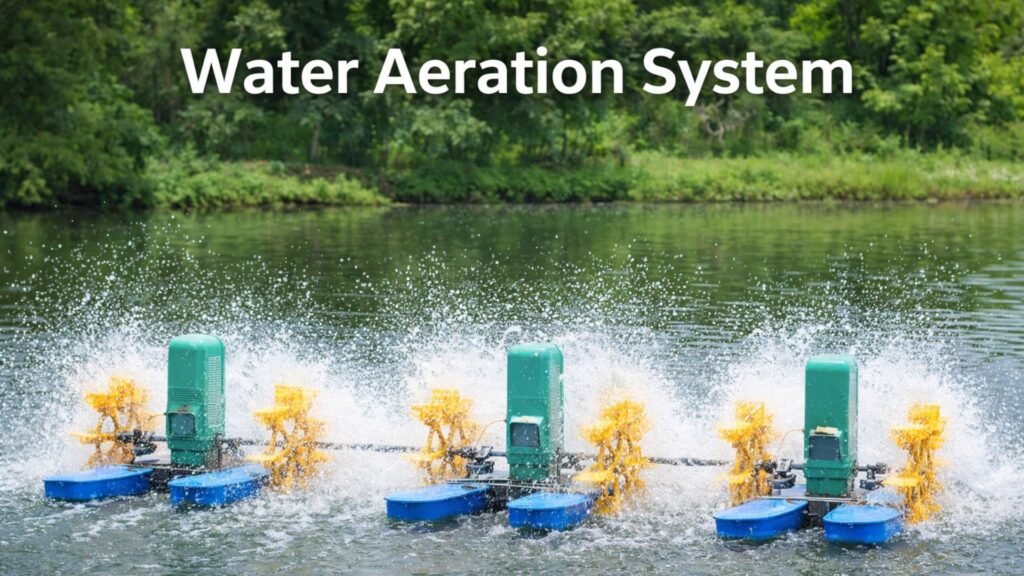
A Water Aeration System is a technology that increases dissolved oxygen (DO) levels in water bodies such as lakes, ponds, reservoirs, and treatment plants. By circulating water, the system improves water quality, supports aquatic life, and reduces pollutants like BOD, COD, algae, and foul odors. Water aeration systems are widely used in aquaculture, sewage treatment plants, industrial ponds, and environmental restoration projects. What Is a Water Aeration System? In natural and man-made water bodies, oxygen levels often drop due to: Organic waste accumulation Algae blooms Stagnant water conditions Industrial discharge Decomposition of organic matter When oxygen levels fall, water bodies can develop foul odors, sludge buildup, and harmful bacterial growth. Aeration systems restore balance by circulating oxygen throughout the water column. Why Is Water Aeration Important? Water aeration plays a crucial role in maintaining water quality and preventing environmental degradation. Types of Water Aeration Systems Different aeration technologies are used depending on the size, depth, and purpose of the water body. 1. Surface Aerators Surface aerators float on the water and use rotating impellers to splash and mix air into the water. They are commonly used in: Sewage treatment plants Industrial effluent ponds Large reservoirs 2. Diffused Air Aeration Systems Diffused aeration systems release fine air bubbles through diffusers placed at the bottom of the water body. As the bubbles rise, they transfer oxygen and circulate water vertically. These systems are ideal for: Deep ponds and lakes Aquaculture systems Wastewater treatment tanks 3. Solar-Powered Aerators Solar aeration systems operate using renewable energy and are suitable for remote locations where electricity is unavailable. They provide: Zero operating cost Sustainable aeration Minimal maintenance Solar aerators are often used in farm ponds, fisheries, and rural water bodies. Looking to Install a Water Aeration System? If you are planning to improve water quality in a lake, pond, treatment plant, or industrial water system, installing the right Water Aeration System is essential. Microfilter Polymers Ltd. offers customizable aeration solutions based on: Water body size and depth Oxygen transfer requirements Application type (aquaculture, STP, lakes, reservoirs, etc.) Power availability (electric or solar) For product specifications, site assessment, or installation support, you can contact Microfilter Polymers Ltd. to discuss the right Water Aeration System for your project.
Commercial Ro system in hotels and restaurants
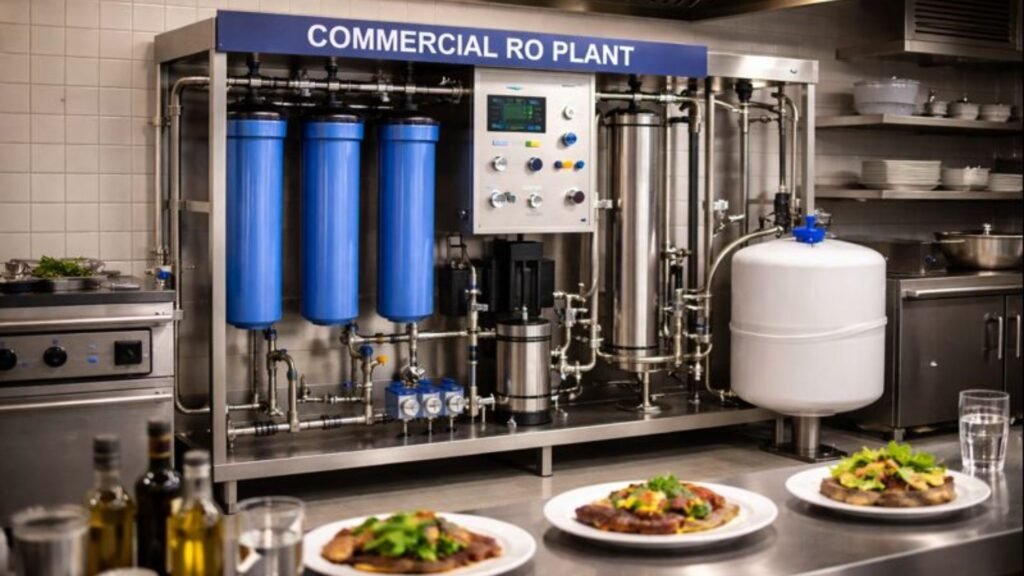
Water quality directly affects food taste, beverage consistency, equipment life, and customer safety. For restaurants, relying on untreated or inconsistent water is a risk no professional kitchen can afford. A Commercial RO Plant for restaurants is not just a utility upgrade, it’s an operational necessity for maintaining hygiene, quality, and reliability in daily service. Whether you operate a small café, a mid-sized restaurant, or a multi-outlet food service business, investing in the right Commercial RO Plant ensures access to clean, safe, and great-tasting water throughout the day. Why Restaurants Need a Commercial RO Plant Restaurants use water continuously for many purposes like cooking, drinking, washing, ice machines, and beverage preparation. Poor water quality can lead to: Unpleasant taste in food and drinks Scale buildup in kitchen equipment Health and hygiene concerns Increased maintenance costs A Commercial RO Plant for restaurants removes dissolved solids, heavy metals, bacteria, and viruses, delivering consistent water quality regardless of source variation. This consistency is especially critical in high-demand kitchen environments. Micro Filter Commercial RO Plant: Designed for Small-Scale Commercial Use The Micro Filter Commercial RO Plant from Microfilter Polymers Limited is engineered specifically for small-scale commercial applications, including restaurants, cafés & hotels. Capacity Options for Restaurant Operations Available in capacities ranging from 25 LPH to 1000 LPH, this Commercial RO Plant for restaurants can be selected based on daily water consumption, seating capacity, and peak-hour demand. This range makes it suitable for both compact kitchens and moderately sized restaurant operations & Hotels. Multi-Stage Purification Process The purification system follows a proven, multi-stage filtration process: Pre-filter to remove sediments and suspended particles Activated carbon filter to eliminate chlorine, odors, and organic impurities RO membrane to remove up to 99% of dissolved solids, heavy metals, bacteria, and viruses UV sterilization for microbial safety Post-carbon polishing for improved taste and clarity This ensures water that is safe, crisp, and suitable for all restaurant applications. How to Choose the Right Commercial RO Plant for Your Restaurant When selecting a Commercial RO Plant for restaurants, decision-makers should evaluate: Daily water consumption Peak usage hours Source water quality Available installation space Automation and safety requirements Service and support availability Consulting with technical experts before finalizing specifications ensures optimal performance and cost efficiency. Invest in a Commercial RO Plant for Restaurants with Micro Filter A reliable Commercial RO Plant for restaurants is essential for maintaining water quality, protecting kitchen equipment, and delivering consistent taste and hygiene to customers. With advanced purification technology, automation, and customization options, the Micro Filter Commercial RO Plant offers a dependable solution for restaurant owners and decision-makers seeking performance without compromise. If your restaurant requires a scalable, efficient, and professionally engineered Commercial RO Plant, this solution provides the balance of reliability, operational efficiency, and long-term value needed in modern food service environments. Contact us today.
Budget vs Premium RO Spare Parts: What’s Really Worth Spending On?
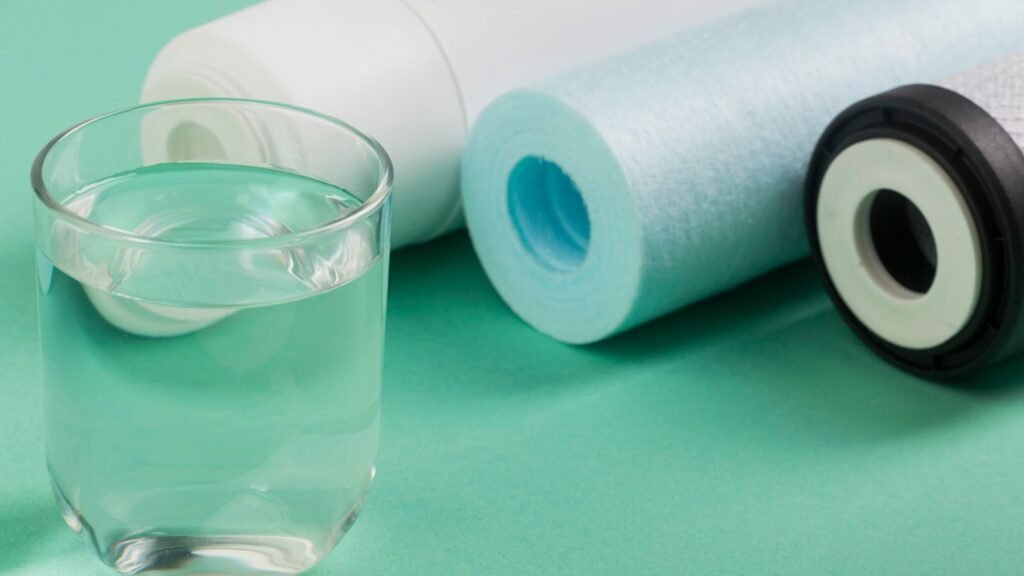
It can be difficult to select replacement parts for your RO water purifier. With so many options—from high-end luxury parts to low-cost budget components—you might be wondering what’s truly worth your money. When it comes to RO spare parts, Micro Filter assists companies and service providers in making wise choices. This guide helps you choose where to invest for long-term performance and savings by breaking down the main distinctions between budget and premium components. Budget Spare Parts: Pros and Cons What they are Inexpensive, locally produced, or unbranded parts that are offered at lower costs. Benefits Reduced initial cost: Initially, it’s affordable. Fast availability: Local procurement is frequently simpler. Excellent for temporary solutions: If you need a temporary part. Cons Shorter lifespan: Wear down more quickly than high-quality components. Unreliable quality: Performance fluctuates. Regular replacements may eventually become more expensive. Potential problems with water quality: Taste and safety may be impacted. Premium Spare Parts: Pros and Cons What they are superior components with dependable performance from reputed manufacturers or well-known names. Benefits Extended longevity: Reduced need for replacements. Improved filtration efficiency: Reliable water quality. Reduced maintenance expenses: Reduces the time and cost of repairs. Improved fit and finish: Lessens damage and leaks. Cost & time of frequent replacement is saved. Down time of machines in the industry is crucial, SO when you install good quality products, the breakdown of machines are less & you save on : Machine down time Labour Electricity Parts replacement cost And last but not the least you buy peace of mind Cons Increased initial cost: Initially more costly Longer wait time: You might need to order some branded parts. High-end components are perfect for commercial systems, frequent use, or situations where reliable quality is crucial. Side-by-Side Comparison Feature Budget Parts Premium Parts Initial Cost Low High Lifespan Short Long Performance Variable Consistent Maintenance Frequency High Low Water Quality Assurance Uncertain Reliable Best Use Case Temporary/Low Use Daily/Commercial How to Choose the Right RO Spare Parts For reliable water purity, system effectiveness, and long-term cost savings, choosing the appropriate RO spare parts is crucial. The following elements will assist you in making trustworthy and well-informed judgments whether you are a manufacturer, dealer, or service provider. Ensure Compatibility with the RO System Incorrect fitment can cause: Leakage Pressure loss Reduced filtration efficiency Choose Reliable Suppliers with Industry Experience Your supplier matters as much as the product itself. Work with suppliers who have proven industry experience Ensure they offer: Consistent quality across batches Technical guidance and support Bulk supply capability After-sales service or warranty Experienced suppliers understand real-world usage conditions and system requirements A trusted supplier like Microfilter helps you avoid failures, returns, and customer dissatisfaction. Why Micro Filter Is Your Best Partner At Micro Filter, we specialize in supplying high-quality RO spare parts to service centers, appliance dealers, and businesses. We understand that: Cost matters Quality cannot be compromised Reliable performance builds long-term trust Whether you need budget-friendly options or premium components, we guide you to the right choice for your needs and help you stock parts that last longer and perform better. Spending a little more on the right RO parts—especially for critical components—can significantly improve your system’s performance and reduce long-term costs. Budget parts may help in a pinch, but premium parts deliver consistent value and peace of mind.
How Often Should You Change an RO Pre-Filter?
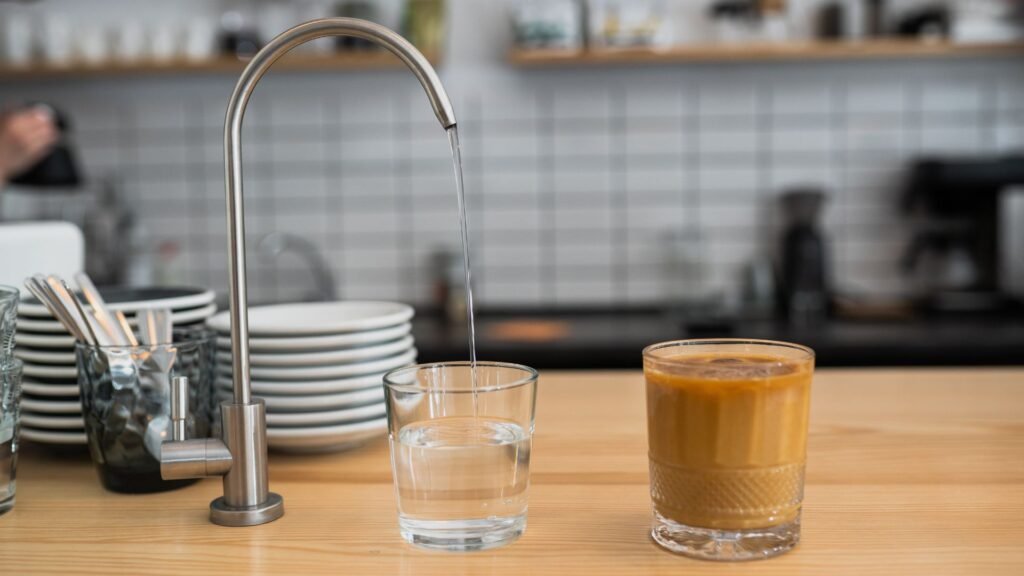
A healthy RO system is the first step toward clean drinking water, and the RO pre-filter is essential to safeguarding your complete filtration system. Customers and b2b partners frequently ask us the same question: “How often should a RO pre-filter be changed?” This comprehensive guide will help you understand the replacement cycle, variables that impact filter life, and the reasons that prompt replacement is crucial for RO system efficiency and water quality. An RO Pre-Filter: What Is It? A Pre Filter Housing is a vital component of any water filtration or RO system, designed to securely hold the pre-filter cartridge that removes larger particles and sediments before water enters the main purification stages. It acts as the first line of defense against impurities such as sand, dirt, rust, silt, and suspended solids, ensuring that incoming water is properly conditioned for further filtration. By handling these contaminants early, the pre-filter housing helps maintain steady water flow and optimal system performance. A strong, high-quality pre-filter housing ensures reliability, safety, and consistent clean water output over time. Standard Replacement Cycle for RO Pre-Filter Suggested RO Pre-Filter Replacement Frequency An RO pre-filter should typically be changed every 2000 liters of service life if the TDS is below 500. This is not a set rule, though. The real lifespan is dependent on a number of variables, including filter type, usage, and water quality. Water Quality Recommended Change Interval Low TDS & clean water Every 6 months Medium TDS water Every 4–5 months High TDS or muddy water Every 3 months Factors Influencing RO Pre-Filter Life Water Quality (TDS & Turbidity) The pre-filter will clog more quickly and need to be replaced more frequently if your input water has significant levels of turbidity, iron, or silt. Water Use Every Day High daily water usage in homes or businesses puts additional strain on the pre-filter, shortening its lifespan. System Capacity & Storage Tank Size Customized maintenance schedules may be necessary for larger RO systems or industrial RO facilities. Our RO pre-filters are the best option for residential, commercial, and industrial RO systems because of their exceptional performance and long-lasting dependability. Micro Filter’s pre-filters, which are made from premium-grade raw materials, have a great flow rate, a high dirt-holding capacity, and consistent micron accuracy—even in murky water and high TDS. Indications That You Should Replace Your RO Pre-Filter Avoid waiting for a total obstruction. Keep an eye out for these warning indicators: Reduced water flow The filter cartridge’s discoloration The flavor or odor of the water has changed. A higher RO membrane load If you notice any of these, replace the pre-filter immediately. Why Timely Pre-Filter Replacement Is Important Reduced maintenance and replacement expenses Membrane choking, which requires far more expensive repair, might result from neglecting pre-filter maintenance. Best Practices for RO Pre-Filter Maintenance ✔ Follow a scheduled replacement plan ✔ Use high-quality RO pre-filters ✔ Regularly inspect filter color and flow rate Why Opt for RO Pre-Filters with Micro Filters? Micro Filter is an expert in manufacturing and distributing premium RO pre-filters for: Home RO systems as well as Industrial systems. RO units for commercial use Plants that purify industrial water OEM and requirements for bulk supplies What Our RO Pre-Filters Provide: Long service life Consistent micron rating High dirt-holding capacity Compatibility with all major RO brands Dependable performance for the water conditions globally Replacing your RO pre-filter every 3–6 months is a small step that makes a big difference in water quality and RO system durability. The exact frequency depends on your water source, usage, and filter quality. For dependable, long-lasting RO pre-filters designed for real-world water challenges, Micro Filter is your trusted partner. Contact Micro Filter today for customized RO filter solutions, bulk supply, and private labeling options. Clean water begins with the right filter—change it on time.
Why Zero-Liquid Discharge (ZLD) is Becoming Essential in Industrial Wastewater Treatment
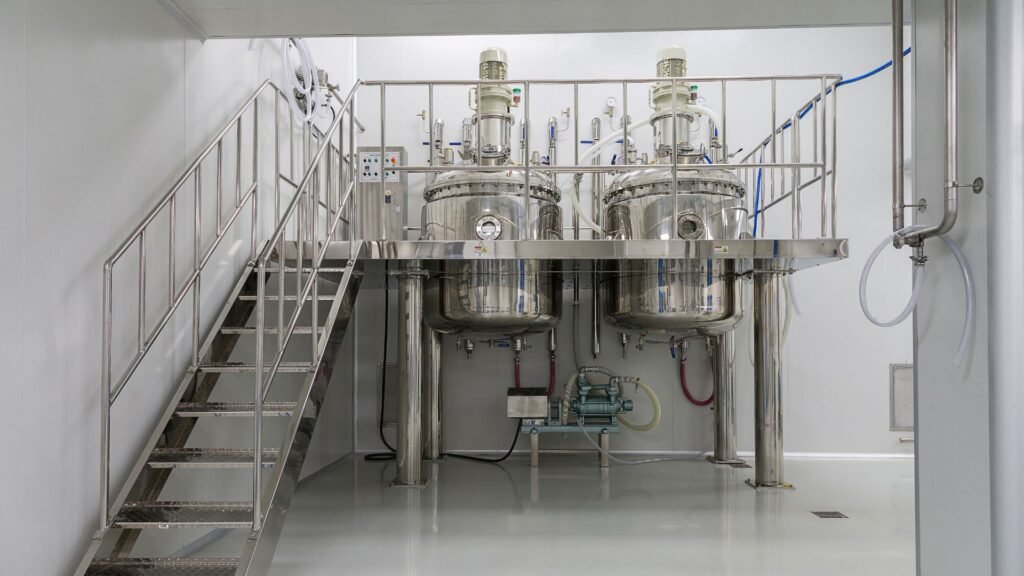
With rising industrialization, the challenge of managing wastewater responsibly has become more critical than ever. Industries across sectors like textiles, pharmaceuticals, power, and chemicals are under increasing pressure to minimize their environmental footprint. This is where Zero-Liquid Discharge (ZLD) systems come into play — a revolutionary approach that ensures no liquid waste leaves the facility. Microfilter- As a sustainability-driven company, we deliver innovative and high-efficiency ZLD solutions that promote water conservation and environmental management. What is Zero-Liquid Discharge (ZLD)? Zero-Liquid Discharge is an advanced wastewater treatment process that recovers and reuses nearly all the water from industrial effluent while leaving behind only solid residues or crystals for safe disposal. How ZLD Systems Work A ZLD system generally consists of multiple integrated processes that purify and recycle wastewater. Here’s how it works step-by-step: Pre-Treatment: Removal of large contaminants, oils, and suspended solids. Evaporation & Crystallization: Concentrated wastewater is heated to evaporate clean water, leaving behind solid waste. Condensate Recovery: The vapor is condensed into reusable, high-quality water. Solid Waste Management: The remaining sludge or salts are safely disposed of or reused, depending on the industry type. Micro Filter designs ZLD systems that are energy-efficient, modular, and customized for different industrial needs. Why ZLD is Becoming Essential for Industries 1. Stringent Environmental Regulations Governments across India and the globe have imposed strict wastewater discharge norms. Many industrial zones now mandate ZLD systems to prevent water pollution. 2. Water Scarcity & Reuse With freshwater resources shrinking, industries can no longer afford to waste water. ZLD allows businesses to recover up to 95–98% of water, drastically reducing freshwater dependency. 3. Sustainability and Corporate Responsibility Adopting ZLD helps industries align with sustainability goals and improve their ESG (Environmental, Social, and Governance) ratings — a key factor for modern investors. 4. Operational Cost Savings While initial setup costs can be high, long-term savings from reduced water procurement, lower disposal costs, and reuse efficiency make ZLD a cost-effective solution. 5. Improved Brand Image Implementing sustainable wastewater management reflects a company’s commitment to the environment, strengthening its brand reputation and public trust. Industries That Benefit from ZLD Systems Textile & Dyeing Plants Power Generation Units Pharmaceutical & Chemical Industries Food & Beverage Manufacturing Oil Refineries & Petrochemical Plants Pulp & Paper Mills Micro Filter offers industry-specific ZLD designs tailored to each sector’s wastewater composition and operational needs. Micro Filter’s Role in Advancing ZLD Technology At Micro Filter, we specialize in delivering integrated ZLD solutions that combine advanced filtration, RO (Reverse Osmosis), and evaporation technologies. Our systems are: Highly efficient – achieving maximum water recovery rates Low maintenance – reducing downtime and operating costs Eco-friendly – minimizing environmental impact From pre-treatment filters to final crystallization systems, Micro Filter provides end-to-end ZLD setups that help industries move towards sustainable water reuse and regulatory compliance. The Future of Industrial Water Treatment The shift towards Zero-Liquid Discharge is not just a regulatory requirement — it’s a strategic investment in sustainability. As climate change and resource depletion continue to intensify, industries adopting ZLD today will lead the way in eco-conscious innovation and water resilience. Zero-Liquid Discharge (ZLD) is rapidly becoming the standard for responsible industrial wastewater management. By recovering and reusing nearly every drop of water, industries can protect the environment, meet compliance standards, and save on long-term operational costs. At Micro Filter, we’re proud to be at the forefront of this transformation — delivering high-performance, customized ZLD systems that enable industries to achieve zero waste and maximum sustainability. Ready to make your plant Zero-Liquid Discharge compliant? Contact Micro Filter today to explore the best ZLD solutions for your industry.
Working of Sewage Treatment Plant Explained: Step-by-Step Process and Benefits
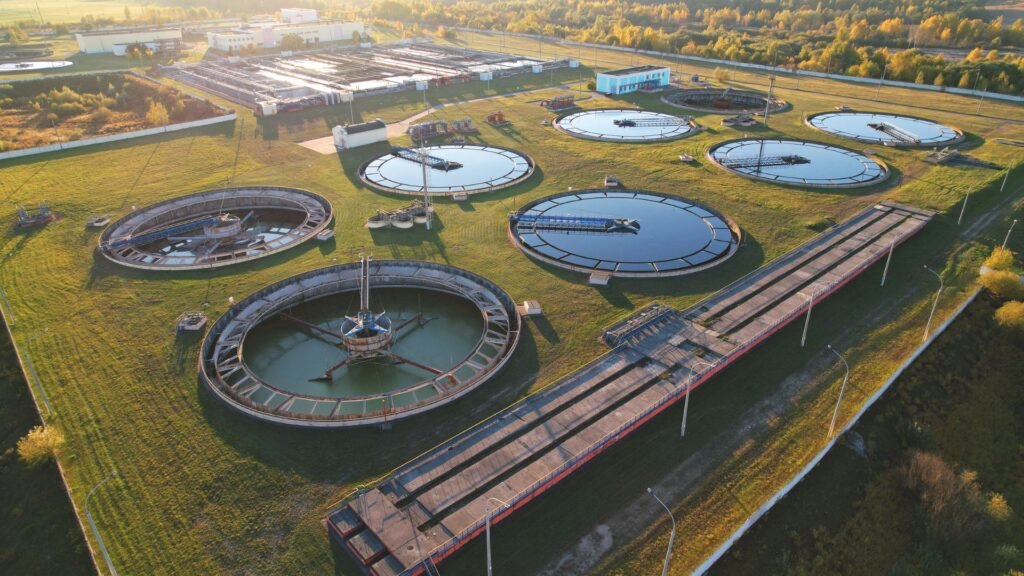
Sewage Treatment Plants (STPs) are essential to preserving a sustainable, clean environment in a world where pollution and water scarcity are major issues. Every day, wastewater is produced in every home, apartment, workplace, and company. If this sewage is not cleaned, it can have negative effects on the environment and public health. Before being discharged into natural water bodies or utilized again for secondary uses like gardening, flushing, or cooling towers, wastewater from residential, commercial, or industrial locations must first be cleaned and purified by a sewage treatment plant (STP). Let’s examine the definition, operation, and importance of a STP as well as how Micro Filter uses cutting-edge filtration components to facilitate effective water management. What Is a Sewage Treatment Plant? A sewage treatment plant is a facility that uses physical, biological, and chemical methods to remove pollutants, suspended solids, and dangerous bacteria from wastewater. An STP’s primary goal is to generate safe sludge that may be disposed of or utilized as manure, as well as clean, reusable water. STPs are installed in: Residential complexes and societies Commercial structures (offices, hotels, and malls) Facilities for industry Schools and hospitals By the 2000s, Indian companies have begun producing RO systems domestically, lowering their cost and opening them up to middle-class households. As groundwater pollution rose, companies like Pureit, Aquaguard, and Kent made its use more widely known. Improvements like mineralization, UF, and UV allowed RO systems to adapt to a variety of water conditions. Since they are now necessary industrial and domestic items, India is one of the water purifier marketplaces with the fastest rate of growth. Working of sewage treatment plant The sewage treatment process typically occurs in three main stages: Primary, Secondary, and Tertiary Treatment. Each stage plays an important role in purifying wastewater effectively. 1. Primary Treatment – Use to Remove Large Solids Large solid particles, plastics, and grit are eliminated during the first stage of screening and sedimentation. Steps in the Process: Examining: Debris such as paper, plastic, and cloth are removed by bar screens or mesh filters. Grit Chamber: Facilitates the settling of heavier particles, such as stones and debris. In a sedimentation tank, lighter materials like oil and grease float and are skimmed off, while suspended solids sink to the bottom and produce “sludge.” At this step, the water still contains organic waste and microorganisms — which are treated in the next phase. 2. Secondary Treatment – Biological Decomposition In this biological step, organic contaminants are broken down by microorganisms with the help of oxygen. Commonly used technologies include: Activated Sludge Process (ASP). Biofilm Reactor with Moving Beds (MBBR) SBR stands for Sequential Batch Reactor. How It Operates: To promote the breakdown of organic waste by bacteria, air is pushed into the aeration tank. These bacteria create “flocs” that take up and break down organic materials. Following aeration, the water enters a secondary clarifier, where the sludge, or microbial biomass, settles. While the remainder of this sludge is transferred for additional treatment or drying, some of it is recycled back to sustain bacterial activity. 3. Tertiary Treatment – Polishing and Disinfection After biological treatment, any leftover fine particles, bacteria, and dissolved contaminants are eliminated in the tertiary stage. Filtration and disinfection are essential in this situation. Procedures Used: Carbon Filtration or Sand Ultrafiltration (UF) Osmosis in reverse (RO) Chlorine or UV disinfection This step makes sure that the treated water satisfies the requirements for safe discharge or reuse. Advanced Filtration Integration: The Function of Micro Filters Components of the Micro Filter can greatly improve the purification quality at the tertiary stage. We are a reputable brand in the production of RO replacement parts and water filtration, offers premium filter cartridges, membranes, and alkaline filters that are utilized in different phases of wastewater and water treatment systems. The following are some ways that Micro Filter products improve STP efficiency: High-performance cartridges are used to improve water clarity and remove fine suspended materials in the tertiary stage. Activated carbon filters make the water suitable for reuse by removing organic contaminants, odor, and leftover chlorine. Alkaline filters: Assist in bringing treated water’s pH back into balance so that it can be used for flushing, gardening, or process reuse. RO & UF Modules: Micro Filter provides parts for tertiary treatment systems that guarantee excellent purity and longevity. Businesses can accomplish the following by using Micro Filter cartridges and parts into STP systems: Improved performance of the filter Extended lifespan of therapeutic apparatus Lower upkeep expenses Enhanced treated water quality Importance of Sewage Treatment Plants Sewage treatment plants are essential for sustainable urban living, not merely for complying with regulations. This is the reason: Environmental Protection: Prevents groundwater, lakes, and rivers from becoming contaminated. Water Reuse: Industrial operations, building, and gardening can all benefit from the reuse of treated water. Safety for Public Health: Prevents the spread of illnesses brought on by tainted water. Regulatory Compliance: Assists industries, societies, and builders in adhering to pollution control regulations. Resource Recovery: Biogas can be produced from organic waste, and treated sludge can be utilized as fertilizer. Maintenance and Monitoring Regular maintenance ensures your STP operates efficiently. Examining pumps and aeration Cleaning membranes and filters Tracking the levels of pH, BOD, and COD On-time equipment maintenance and sludge removal Using reliable filter components from Micro Filter can significantly reduce downtime and improve system performance. One of the most crucial pieces of infrastructure for every contemporary city or business is a sewage treatment plant. It promotes sustainable living and water conservation in addition to environmental protection. STPs can increase purification efficiency, extend equipment life, and improve water quality by incorporating cutting-edge filtration technology from Micro Filter, thereby contributing to a cleaner, greener world. Looking to enhance your STP performance with reliable filtration components? Partner with Micro Filter — your trusted source for RO cartridges, alkaline filters, and industrial water treatment solutions. Get in touch today to discuss bulk supply or customized solutions for your project.
The Growing Demand for RO Spare Parts in India
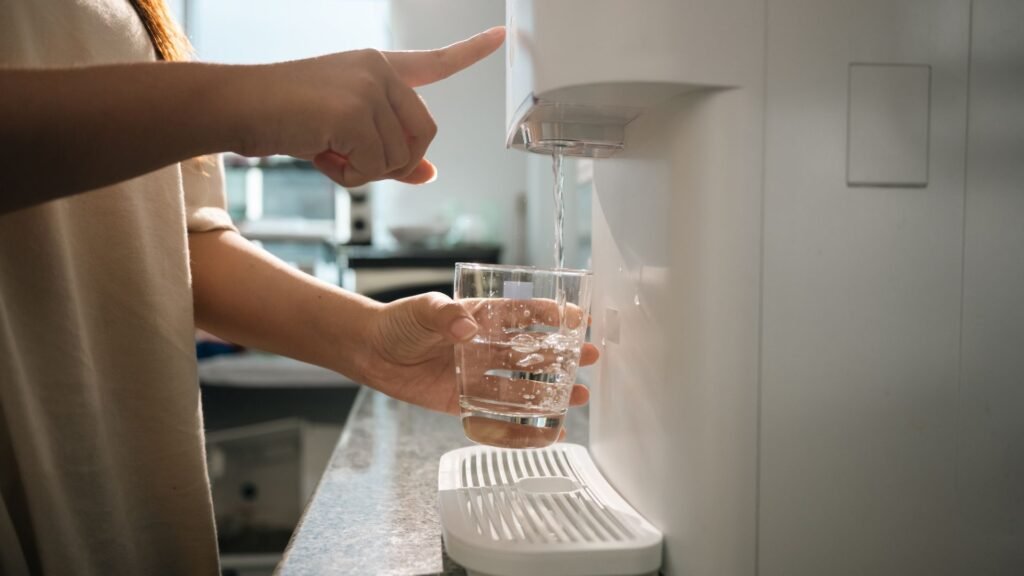
Clean and safe drinking water has always been a fundamental need in India. With rising concerns over water contamination, increasing urbanization, and lifestyle changes, Reverse Osmosis (RO) systems have become one of the most trusted solutions for households, commercial spaces, and industries. But with the rapid growth of the RO market, there’s also been a significant rise in demand for RO spare parts—making this sector a thriving opportunity in itself. A Brief History of RO Systems in India In India, RO (Reverse Osmosis) systems have a long history dating back to the late 1980s and early 1990s, when growing urbanization, industry, and water contamination began to raise concerns about clean drinking water. At first, RO systems were imported and sold as high-end goods intended for wealthy urban families. The most widely used filtration techniques in Indian homes at the time were still boiling, cloth sieving, and ceramic filters. Nonetheless, growing health problems brought on by waterborne illnesses raised awareness of the demand for cutting-edge filtration methods. Urban families, hotels, and businesses that needed high-quality water for operational and drinking purposes were the primary early adopters. By the 2000s, Indian companies have begun producing RO systems domestically, lowering their cost and opening them up to middle-class households. As groundwater pollution rose, companies like Pureit, Aquaguard, and Kent made its use more widely known. Improvements like mineralization, UF, and UV allowed RO systems to adapt to a variety of water conditions. Since they are now necessary industrial and domestic items, India is one of the water purifier marketplaces with the fastest rate of growth. Why the Demand for RO Spare Parts is Growing High Usage & Maintenance: For RO purifiers to work properly, the filter and membrane must be changed on a regular basis. Growing User Base: As millions of homes and companies implement RO systems, the need for replacement parts keeps expanding at an exponential rate. Problems with Water Quality: The demand for spare parts rises as a result of hard water, salt, and contamination in various areas. Commercial and Industrial Uses: In addition to residences, RO systems are extensively utilized in hotels, hospitals, food businesses, and educational institutions, which leads to a significant need for replacement parts. Growth of the Aftermarket: Consumers now favor affordable aftermarket replacement components, which has opened doors for trustworthy vendors. The Future of RO Spare Parts in India The RO spare parts market in India is expected to grow steadily at double-digit rates in the coming years. With innovations in alkaline filters, energy-efficient pumps, and eco-friendly membranes, the sector is moving towards both quality and sustainability. For businesses and end-users, choosing the right supplier is critical—because the quality of spare parts directly impacts the life of an RO purifier and the quality of drinking water. Strategic Possibilities for Spare-Parts Companies Here are some encouraging prospects if you’re considering things from the perspective of a manufacturer, supplier, or investor: Production, research and development of membranes, particularly those that are appropriate for Indian water (varying TDS, fouling, etc.). large payout yet high entrance obstacles. Smart sensors and controllers: creating retrofit kits, keeping an eye on the condition of filters, and providing data services. Green materials and trash management: recycling and collecting used filters and membranes; possibly setting up collection plans; sustainability branding. Small towns have high demand for distribution and last-mile supplies; businesses that can establish dependable logistics and spare part inventory there will have a competitive advantage. Certification and branding: assurance, laboratory testing, establishing a recognizable, reliable brand for “genuine” parts. Why Choose Micro Filter? At Micro Filter, we specialize in manufacturing and supplying high-quality RO spare parts designed for durability, efficiency, and affordability. From RO membranes, filters, and cartridges to pumps and accessories, we provide a complete range that meets both household and industrial requirements. ✅ Trusted quality for safe drinking water ✅ Wide range of RO spare parts under one roof ✅ Competitive pricing for bulk buyers ✅ Reliable service and timely delivery If you are a dealer, distributor, or business owner looking for premium RO spare parts at the best prices, Micro Filter is your trusted partner. Contact us today to discuss bulk requirements. Visit our website: https://limegreen-hamster-942003.hostingersite.com/ or Email: in**@************************************te.com