
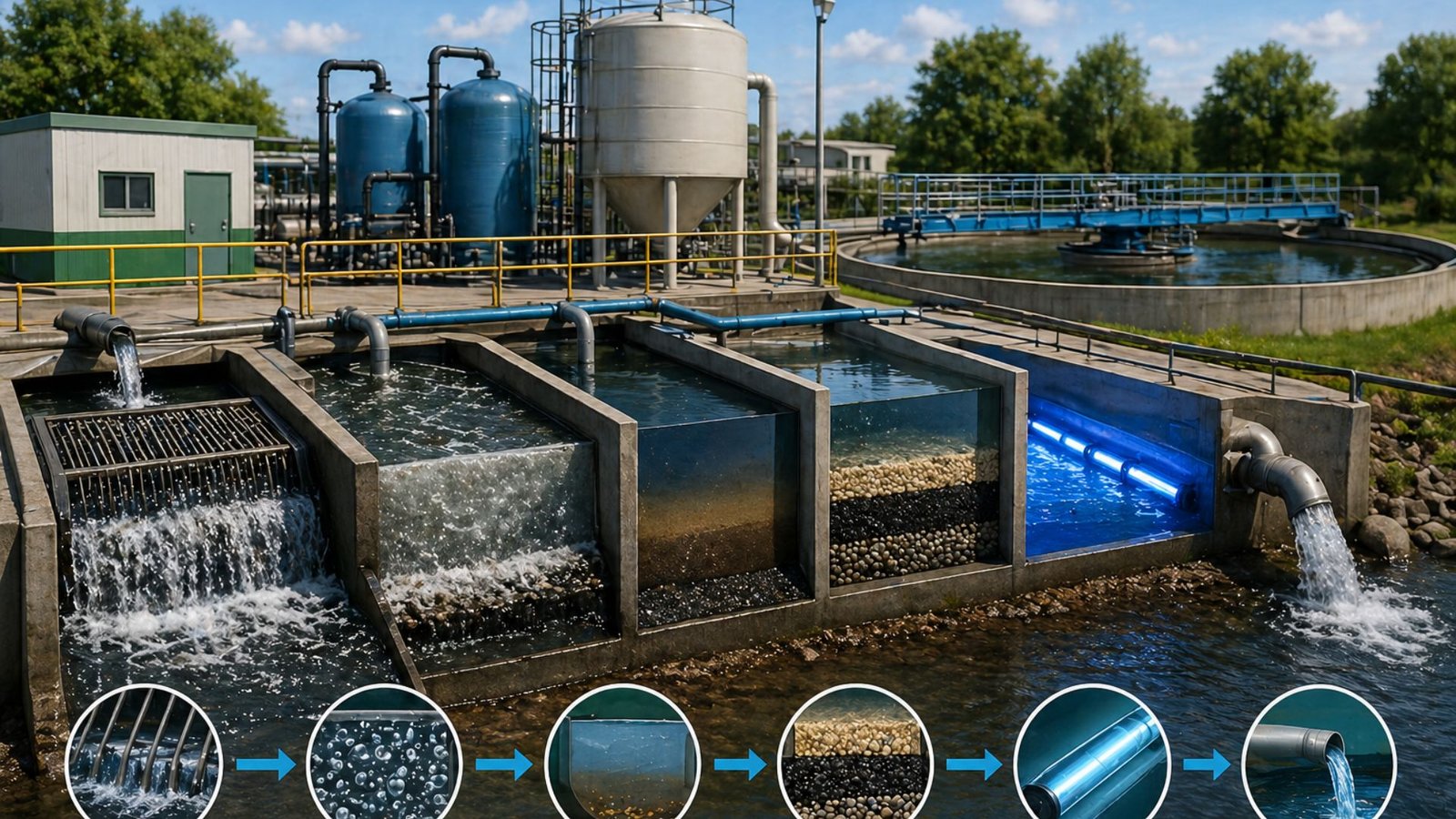
Key Technologies Used in Contaminant Removal
1. Adsorption Media Filtration
Adsorption is the process by which contaminants bind to a specially designed media surface. It is highly effective against fluoride and arsenic — two of the most dangerous naturally occurring groundwater contaminants. Certified adsorption media ensures long operational life and predictable performance.2. Catalytic Filtration
Iron and manganese are among the most common groundwater issues in India. Catalytic filtration accelerates the oxidation of dissolved iron, converting it into a filterable solid that is then physically removed. This delivers clear, odourless water free from metallic taste and staining.3. Ion Exchange
Ion exchange technology is the gold standard for nitrate removal. It works by swapping harmful ions (like nitrates) with safe ones in a controlled resin bed. The result is water that is safe for drinking, irrigation, and industrial use.4. Oxidation Treatment
Oxidation technologies break down complex organic and inorganic compounds at the molecular level. When integrated with other stages, oxidation significantly enhances overall system performance and helps tackle emerging contaminants that conventional methods cannot address.Smart Contaminant Removal Plants (SCRP): Technology in Action
Companies like Microfilter Polymers Ltd. (Nagpur) have brought these technologies together in compact, scalable Smart Contaminant Removal Plants (SCRP). These skid-mounted systems are designed for rapid deployment across a variety of settings — from villages and schools to industrial campuses and government projects.Key features of modern SCRP systems include:- Multi-stage filtration for thorough, step-by-step purification
- Fully or semi-automatic operation with PLC/timer-based smart control panels
- Robust construction in FRP, MS, or SS depending on site conditions
- Flow capacities from 500 LPH to 1 MLD and beyond
- Solar power compatibility for off-grid and remote deployments
- Low power consumption and minimal maintenance requirements
Industries and Applications That Benefit
Advanced contaminant removal technologies serve a wide range of sectors:- Drinking water supply schemes (urban and rural)
- Healthcare and institutional facilities — hospitals, colleges, hostels
- Industrial and commercial plants requiring high-capacity treatment
- Pharmaceutical, laboratory, and food-grade purification
- Aquaculture and hatchery water systems
- Agriculture and irrigation supply
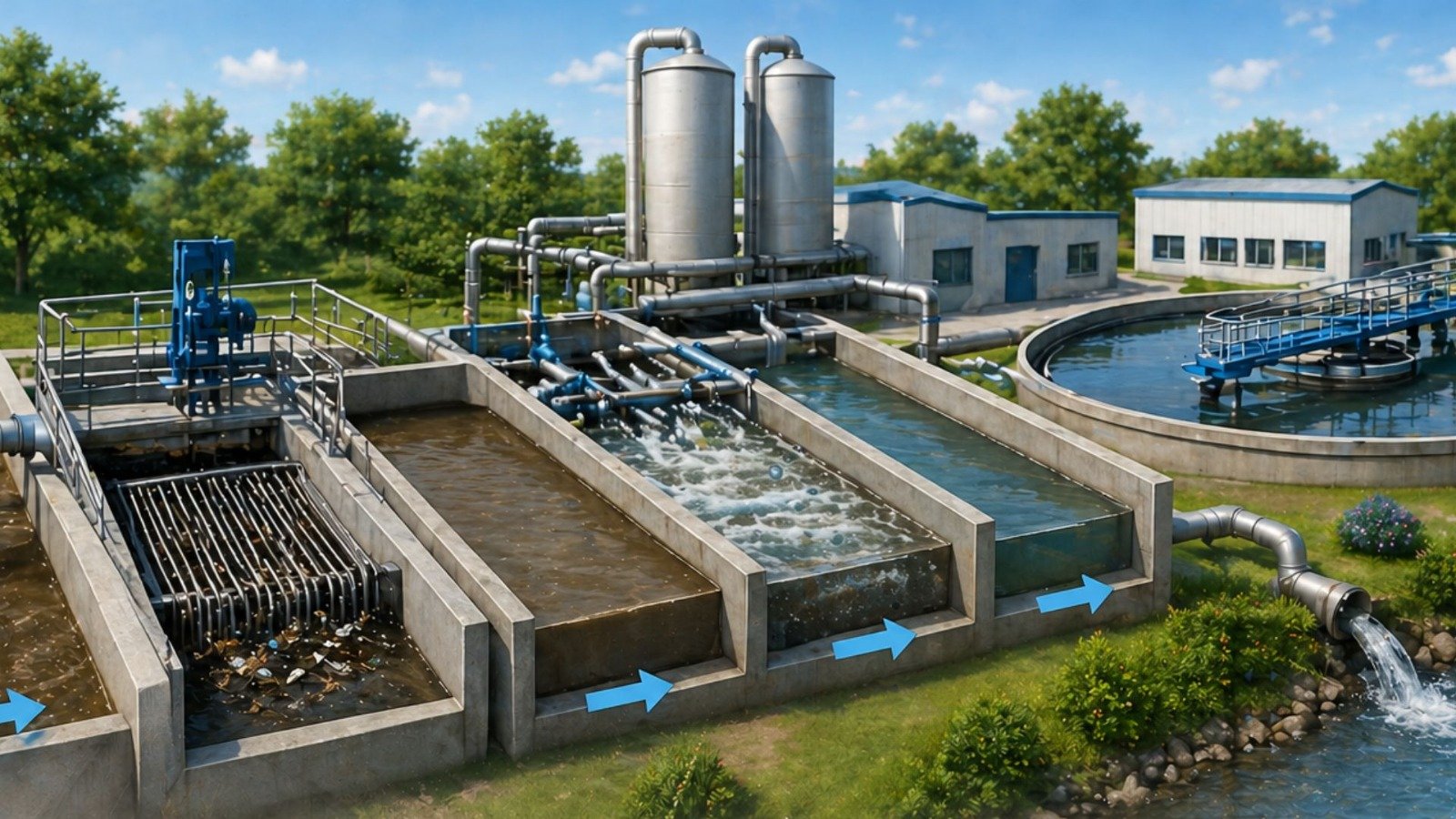
Why Investing in Advanced Contaminant Removal Matters
The health consequences of untreated contaminated water are severe — fluorosis, arsenic poisoning, developmental delays in children, and increased cancer risk. For industries, contaminated water also means equipment damage, product quality failures, and regulatory non-compliance.Advanced contaminant removal technologies offer a cost-effective, long-term solution that protects both people and operations. With compact designs, smart automation, and compliance with international standards, today’s systems are more accessible than ever — whether for a single school or a large industrial facility.Investing in the right water treatment technology is not just a regulatory checkbox — it is a commitment to health, sustainability, and operational excellence.For custom-engineered contaminant removal solutions, Microfilter Polymers Ltd. offers expert consultation and end-to-end system design. Contact: in**@*********er.org | +91 98231 83355 | W-19, MIDC Hingna, Nagpur 440016