
Industrial Wastewater Treatment: Reuse & ZLD Trends in 2025
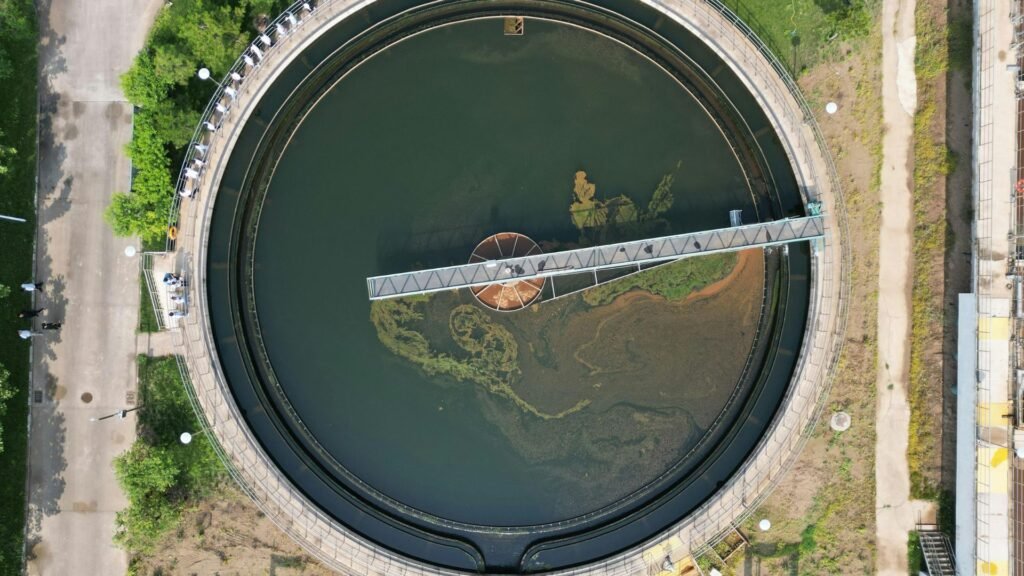
Industrial wastewater treatment has become a vital sustainability solution as the world struggles with growing water scarcity and environmental concerns. To comply with strict rules and lessen their influence on the environment, industries from a variety of sectors are spending more on water recycling, zero liquid discharge (ZLD) systems, and cutting-edge water treatment technology. This blog examines the newest developments in industrial wastewater treatment for 2025, with an emphasis on ZLD, membrane bioreactors (MBR), advanced oxidation processes (AOP), and industrial water reuse. Why Industrial Wastewater Treatment Matters More Than Ever Increasing Industrial Demand and Water Scarcity With freshwater sources under stress, enterprises are rethinking their dependence on groundwater and municipal water. Sustainable water management via efficient industrial wastewater treatment and water reuse is the only practical long-term option. Pressure from Regulations and ZLD Mandates Strict regulations on wastewater discharge are being enforced by environmental agencies such as the Environmental Protection Agency (EPA) and the Central Pollution Control Board (CPCB). Nowadays, Zero Liquid Discharge (ZLD) is required for industries like chemicals, textiles, and pharmaceuticals. Industrial Water Reuse: What Is It? The process of cleaning and recycling wastewater produced by industrial operations so that it can be used again for the following purposes is known as industrial water reuse: Systems for cooling Boiler feed Rinsing and washing Sanitation and landscaping In addition to saving money and promoting sustainable water management, this lessens dependency on freshwater sources. What Is Zero Liquid Discharge (ZLD)? ZLD definition A water treatment method called Zero Liquid Discharge (ZLD) makes sure that no liquid waste is discharged into the environment. To recover water and turn the remaining waste into solid form, a mix of thermal, chemical, and physical processes are used. ZLD Procedure Flow: Pre-Treatment: Eliminates organics, oils, and suspended solids. Up to 85–90% of clean water can be recovered using reverse osmosis (RO) Waste is concentrated and solidified using evaporators and crystallizers Sludge management is the process of safely disposing of or reusing solid waste. Nowadays, ZLD systems are essential for treating industrial wastewater, particularly in industries with high total dissolved solids (TDS) production. Who Requires Treatment of Industrial Wastewater? In 2025, the following sectors will lead the way in implementing ZLD systems and reusing industrial water: Production of textiles and dyes Refineries for oil and gas Processing of food and beverages Manufacturing of chemicals and pharmaceuticals Production of power Metal finishing and automobiles Since these industries contribute significantly to wastewater contamination, compliance and sustainability depend on effective industrial wastewater treatment. Top Technologies in Industrial Wastewater Treatment Membrane bioreactor (MBR) MBRs combine biological treatment and membrane filtration to produce high-quality effluent in a compact design. It is perfect for enterprises that require space-saving and innovative water treatment systems. Advanced Oxidation Process (AOP) AOPs degrade difficult-to-treat organic compounds with ozone, UV light, or hydrogen peroxide. These are frequently employed before to or during conventional treatment to polish effluent for industrial water reuse. High Efficiency Reverse Osmosis (HEROTM) Modern RO systems achieve up to 90% recovery using minimal fouling membranes and intelligent automation. They are essential parts of both industrial wastewater treatment and ZLD systems. Mechanical Vapor Recompression(MVR) MVR improves energy efficiency in evaporation systems by recycling steam, making ZLD systems more cost-effective and sustainable. Crystallisation and Solid Waste Recovery The final stage in a Zero Liquid Discharge system is to crystallize the residual waste into solid salts that may be safely disposed of or reused in manufacturing. Benefits of Industrial Wastewater Treatment & ZLD Environmental Compliance: Meet CPCB, EPA, and ISO standards Cost Savings: Reduce water bills and raw water procurement Water Recovery: Reuse up to 95% of process water Improved ESG Scores: Essential for attracting responsible investors Brand Value: Position your business as eco-conscious and future-ready How to Choose the Right Water Treatment Partner When selecting a vendor for industrial wastewater treatment or ZLD, ensure they offer: Proven industry experience Complete lifecycle support (Design – Execution – AMC) Portfolio of cutting-edge technologies (RO, MBR, AOP, Crystallizer) Energy-efficient and low-maintenance solutions Compliance with local and international environmental laws At Microfilter, we don’t just provide solutions — we engineer success. With years of experience in industrial water reuse and Zero Liquid Discharge (ZLD) systems, we offer end-to-end, customized treatment technologies that are designed to match your industry’s specific needs. What Sets Microfilter Apart: We use cutting-edge technology, including membrane bioreactors, advanced oxidation processes, and high-recovery RO systems, to provide the most efficient treatment solutions. Prioritize sustainability. Our systems are intended to help you reduce your water footprint, meet compliance requirements, and support your sustainability goals—all while saving money. Smart Monitoring Systems With integrated IoT dashboards and AI-based controls, you gain real-time visibility into your system’s performance—no surprises, just results. Expert Support. Our experienced team provides full lifecycle services, including consultation and design, installation, training, and AMC support. Industry-proven results. Microfilter systems are trusted by top companies in the textile, chemical, pharmaceutical, and food industries for their consistent, reliable, and compliant performance. Final Thoughts Whether you’re a plant manager, environmental officer, or business owner, investing in industrial wastewater treatment is no longer an option; it’s a must for survival and growth. With rising regulatory pressure, rising water costs, and rising ESG expectations, sustainable water practices are the only way forward. To future-proof your operations, select the appropriate mix of ZLD systems, membrane technologies, and advanced water treatment solutions. Contact us today.
Future of Water Purification Technology
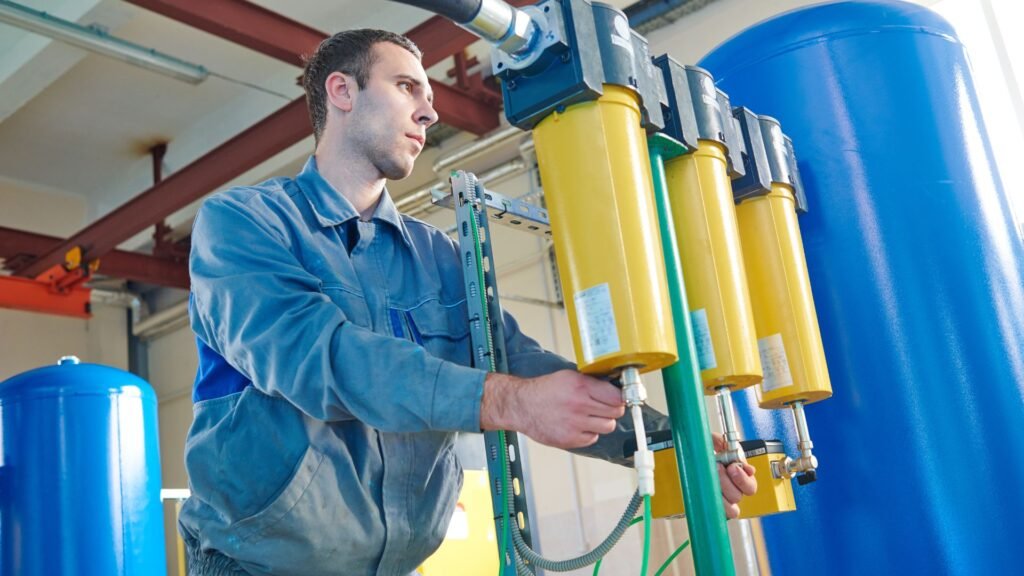
Water scarcity and pollution are becoming major global issues. There is a growing need for better and sustainable water purification technologies. New ideas in this area are changing how we access clean water. They focus on being efficient, saving money, and helping the environment. In this blog, we look at the top trends in water purification and filtration. These trends will shape the next decade. Smart Water Filtration Systems One key feature of smart water purifiers is their ability to check water quality. They can measure Total Dissolved Solids (TDS), pH levels, and harmful contaminants. These contaminants include lead, arsenic, chlorine, and bacteria. The system sends instant alerts via a mobile app if water quality drops below safe standards. Users can monitor their water’s health from anywhere, ensuring peace of mind about what they’re consuming. Another major advantage is the automatic detection of filter life. Smart systems alert users when it’s time to change filters. This helps avoid using old or ineffective cartridges. This ensures consistent water purity and reduces unnecessary replacements, saving time and money. Some models even offer auto-shutoff features to prevent the dispenser from supplying unfiltered water. These systems also offer adaptive purification. The purifier can change its filtration strength based on current contamination levels. It increases the strength when water quality gets worse and lowers it when the water is cleaner. This feature not only maintains optimal filtration but also conserves energy and extends the life of the filters. Benefits of Smart Water Filtration Systems: Real-time water quality data: Get continuous updates on what’s in your water and how safe it is to drink. App-controlled filters: Use mobile apps to manage and monitor your purifier, change settings, and receive maintenance alerts. Energy-efficient and low maintenance: With intelligent operation and automation, smart purifiers consume less energy and require minimal manual intervention. Customizable purification: The system adapts to the water source, providing personalized filtration based on specific needs and conditions. Remote diagnostics: Some systems offer remote troubleshooting and service support, minimizing downtime and ensuring uninterrupted access to clean water. 2. Nanotechnology in Water Filtration Nanotech filters use nanomaterials like carbon nanotubes and silver nanoparticles to remove bacteria, viruses, and even heavy metals from water. This technology allows ultra-efficient filtration with minimal energy use. Future Impact: Portable, compact water filters Enhanced virus/bacteria elimination Ideal for rural and disaster-affected areas 3. Sustainable & Eco-Friendly Filtration Media The future demands eco-conscious water filters made from natural materials like coconut shells, sand, or biodegradable polymers. These filters reduce plastic waste and carbon footprint. Key Features: Compostable filter cartridges Reduced chemical usage Renewable resource-based media 4. Advanced RO + UV + UF Hybrid Systems Future purifiers will combine multiple technologies such as: RO (Reverse Osmosis) for dissolved salts UV (Ultraviolet) for microbial deactivation UF (Ultrafiltration) for particulate matter These hybrid water purification systems ensure 360° protection. 5. Decentralized and Mobile Water Purification Units To meet remote and emergency needs, mobile and portable filtration units are on the rise. These are powered by solar or hand-pumps and can purify water on the go. Use Cases: Army camps Disaster relief Remote villages 6. Regenerative Filters with Longer Lifespan Future filters will last longer. They will clean themselves using automatic back-flushing, chemical-free methods, or UV light. This will lower costs and reduce maintenance. 7. Customizable Modular Filters As DIY becomes popular, modular filtration systems allow consumers to build or customize filters based on their water quality. This is great for B2B applications, like those offered at Micro Filter. 8. AI & Machine Learning in Water Analysis Artificial Intelligence is helping detect patterns in water contamination, optimize purification cycles, and reduce waste. AI-driven purification units could adapt to seasonal or location based water changes. 10. Industrial Water Reuse and Zero Liquid Discharge (ZLD) Industries are embracing ZLD systems, where water is treated and reused, minimizing waste. Technologies like membrane distillation and ion exchange are key players. Final Thoughts The future of water purification technology is smart, sustainable, and science-backed. As global water challenges grow, innovation is our best weapon. The next era of water filtration offers hope for people and the planet. This is true whether we use nanotech, AI, or eco-friendly materials. Explore More at Micro Filter Looking for cutting-edge water filter spare parts or planning to upgrade your water purification system? Explore a wide range of products at Micro Filter, a trusted name in the industry.
Understanding Water Purifier Components: Why Each Part Matters
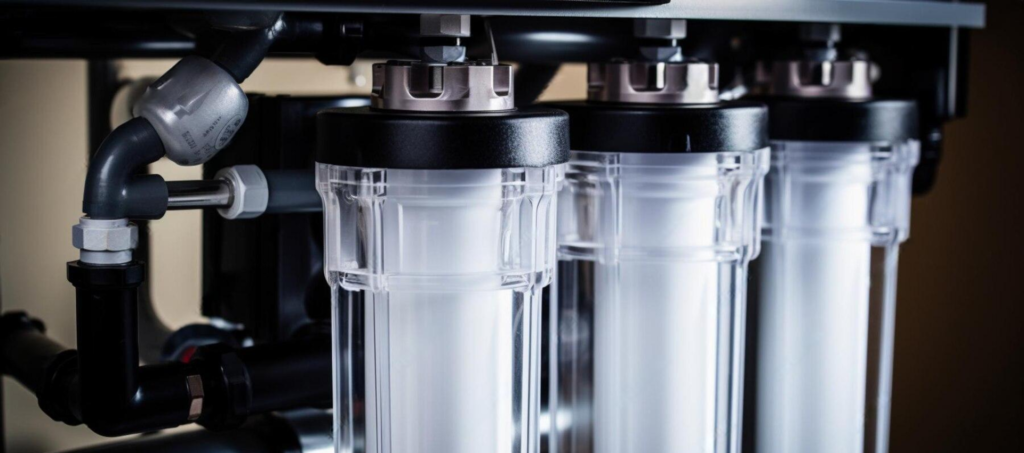
Clean and safe drinking water is essential for a healthy life—but do you know what makes your water purifier work effectively? Behind every glass of pure water there is a system of carefully designed components, each playing a critical role in removing impurities, bacteria, and harmful chemicals. From pre-filters to RO membranes and UV chambers, understanding these parts not only helps you make informed purchasing decisions but also ensures you maintain your purifier for long-lasting performance. Why Water Purifiers Are Crucial for Your Health Water purifiers eliminate dangerous contaminants such as bacteria, viruses, heavy metals, and chemicals that cause diseases like diarrhea, typhoid, and even long-term diseases. Pure water aids in improved digestion, enhances immunity, and provides safe drinking water, particularly among children and the elderly. Fresh water also benefits your skin health and minimizes the risk of water-borne infections. Understanding Water Purifier Components A water purifier consists of a number of vital components that collectively ensure clean and safe drinking water. The process most often starts with a pre-filter, which cleans visible particles such as dust, sand, and rust to avoid clogging of inner components. The activated carbon filter follows next, which removes chlorine, unpleasant odors, and organic contaminants, improving both the safety and flavor of water. For RO (Reverse Osmosis) technology-based systems, the RO membrane is a vital element that filters out dissolved salts, heavy metals such as lead and arsenic, and other toxic contaminants. An UV (Ultraviolet) chamber is also employed in certain purifiers to destroy bacteria and viruses through UV exposure to the water, making it microbiologically safe. A secondary UF (Ultrafiltration) membrane can also be incorporated, which removes microscopic impurities and maintains important minerals. Post-purification, the after-carbon filter enhances the polish and taste of final output water. The clean water is stored in a storage tank for ready use, and an internal pump in most electric models is usually needed to ensure pressure for RO and UV operations. These water purifier parts function together to deliver clean, safe, and healthy drinking water for families and communities. Here’s a detailed explanation of the water purifier components: 1. Pre-Filter The Pre-Filter is the initial stage in most water purification systems. Its main purpose is to filter out physical impurities like sand, silt, dust, rust, and other suspended particles from the raw water supply. This serves to safeguard the internal parts of the water purifier, particularly the RO membrane, from premature damage or clogging. Through the elimination of coarse contaminants, the Pre-Filter enhances the overall efficiency, lifespan, and performance of the water purifier system. 2. Carbon Filter An Activated Carbon Filter, also referred to as an activated charcoal filter, consists of carbon-bearing materials like coconut shells, wood, or coal that are processed to develop a very porous surface. With this high surface area, it becomes very effective at absorbing impurities from water. Removes chlorine and by-products of chlorine, eliminates volatile organic compounds (VOCs), pesticides, and herbicides, Improves taste and odor by eliminating odors and off-flavours. 3. RO membrane The RO membrane is the central part of any Reverse Osmosis water filter. It is a semi-permeable membrane that is capable of passing only water molecules through and rejecting dissolved salts, heavy metals, microorganisms, and other impurities. It is an important part that transforms hard or polluted water into clean and safe drinking water. 4. UV The UV is an essential part in present-day water purifiers, more particularly for places where microbial contamination is an issue. It employs ultraviolet light (UV-C wavelength of 254 nm) to kill pathogenic microorganisms like bacteria, viruses, protozoa, and cysts in the water without changing the taste, smell, or chemical content of the water. 5. UF Membrane Ultrafiltration (UF) is a membrane filtration process for water purification that removes bacteria, viruses, protozoa, and suspended solids without the help of electricity or chemicals. It applies hydrostatic pressure to drive water through a semipermeable membrane. It operates without electricity, Keeps necessary minerals, Works well in low TDS water areas, Chemical-free process, Low maintenance and durable. 6. Post-Carbon Filter The Post-Carbon Filter, or the Polishing Filter, is usually the last stage in most water purifiers. Its primary function is to refine the taste, aroma, and general quality of the purified water prior to it reaching your glass. Eliminates any lingering odors or foul taste due to the RO or UV purification process. Absorbs volatile organic chemicals (VOCs) and chemical residues that might still be present. enhances water palatability through rebalancing natural flavour. 7. Storage Tank in a Water Purifier The storage tank is an essential element of a water purifier, particularly in RO and UV systems, as it holds the filtered water waiting to be consumed. It provides a steady supply of clean drinking water even when the purifier is not running. Stores filtered water for current or future use. Prevents recontamination to maintain hygiene. Provides availability during power cuts or low-pressure water supply. Signs It’s Time to Replace Water Purifier Components Here are the key reasons why it’s important to replace your water purifier parts regularly Unusual Taste or Odor in Water If the water starts tasting metallic, bitter, or smelling bad, your carbon filter or RO membrane might need to be replaced. Slow Water Flow An observable reduction in water pressure or flow rate usually means clogged filters, pre-filters, or a broken pump. Filter Replacement Alarm Most new purifiers come equipped with an indicator light or an alarm that lets you know when it’s time for a filter or membrane replacement. Cloudy or Coloured Water If water coming out of purification appears dirty or colored, dirty or obsolete RO/UF membranes may be the reason. Higher TDS (Total Dissolved Solids) An abnormal spike in TDS levels (read using a TDS meter) means the RO membrane is no longer able to filter properly. Leakage or Dripping Leaks surrounding the storage tank, pipes, or filter housings indicate obsolete seals or ill-fitted parts. Unusual Sounds from the Unit Unusual humming or buzzing may indicate problems with the motor, pump,
Top Signs Your RO Filter Cartridge Needs Replacement
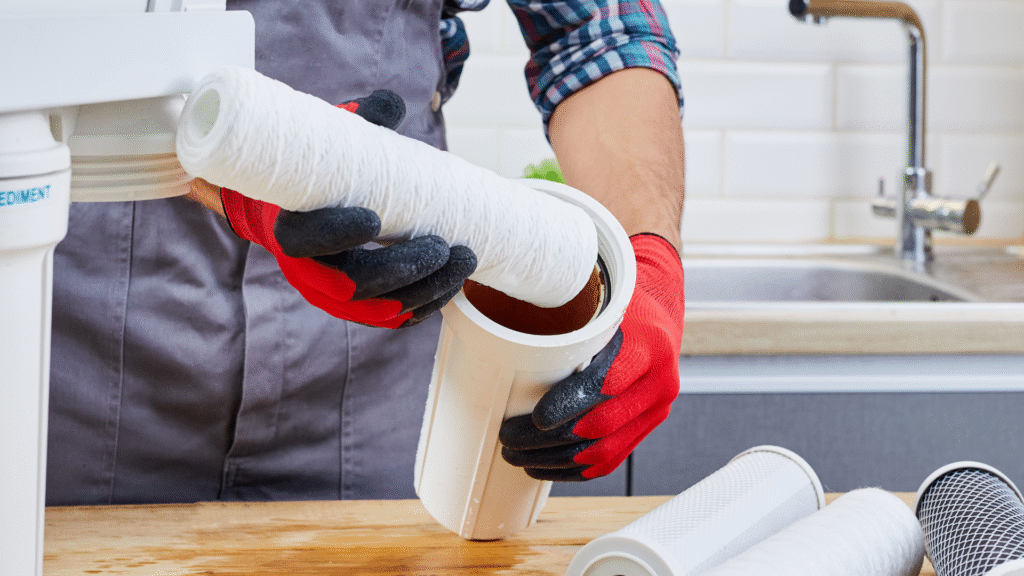
RO Filter Cartridge Replacement in a timely manner is important to the quality and purity of your drinking water. With time, though, your RO system’s cartridges may clog, become inefficient, or get damaged, undermining the quality of your water. It is important to know when to replace your RO filter cartridge in order to maintain the uninterrupted supply of healthy and safe water. Here, in this article, we are going to cover the top indications that suggest it’s time to replace your RO cartridge and also walk you through the proper steps of doing it. Why Is RO Filter Cartridge Replacement Important? With time, Ro Filter cartridges become contaminated with impurities such as chlorine, heavy metals, and bacteria. When they get saturated, their filtering ability is reduced, and impurities find their way through. Not only does this compromise the odor and taste of the water but also introduces possible health hazards. A clogged or old cartridge puts extra work on the system, reducing water flow and increasing energy use. The pump and other parts can get stressed, resulting in premature wear and expensive repairs. Regular replacement avoids these problems and maintains your RO system in optimal working condition. Manufacturers usually advise to replace cartridges after 6 to 12 months based on water quality and consumption. Failure to do so will lead to increased Total Dissolved Solids (TDS) readings and cloudy or colored water. In addition, old cartridges become breeding grounds for bacteria, rendering the water unfit for consumption. Top Signs Your RO Filter Cartridge Needs Replacement 1. Decreased Water Flow Well the most frequent indicator that your RO filter cartridge must be replaced is that you notice water flow has diminished. With usage over time, impurities and sediments develop inside the cartridge, which, as they add up, narrow down the openings for water flow. If you find that water output has tremendously slowed down, it’s already time to check the cartridge. 2. Unpleasant Taste and Odor If your water becomes unusual-tasting or acquires an unpleasant odor , then it’s certain that the RO cartridge is not working optimally anymore. The problem occurs when the cartridge has accumulated contaminants over time and loses its ability to filter out contaminants. Due to this, materials such as chlorine, organic compounds, bacteria, and dissolved solids start flowing through the filter, which makes the water taste or smell odd. In other instances, mineral formation or microbial contamination inside the cartridge may also cause bad tastes and odors. Disregarding this indication not only makes the water not drinkable but also potentially life-threatening if health-damaging contaminants are untreated. To replenish the integrity of your drinking water, replacement of the cartridge is necessary to be done with urgency and verify that your RO system is properly working. 3. Changes in TDS Levels Total Dissolved Solids (TDS) in your water may rise when the RO cartridge is less efficient. Higher levels of TDS indicate that contaminants are filtering through the filter instead of being removed. 4. Strange Noises from the RO System A well-working RO system should be quiet. If you notice strange sounds such as hissing or vibrating, it may be caused by clogged or broken cartridges. Such sounds may be a sign that the system is working harder to force water through a clogged cartridge. 5.Increased Energy Consumption If you find that your RO system is using more electricity than normal, there is a high possibility that there is inefficient filtration going on. When the cartridge gets blocked or clogged, the system must pump harder in order to force water through, thus increasing energy usage. Most common FAQs about water filter cartridge replacement 1. How Frequently Should I Change My RO Filter Cartridge? Generally, RO filter cartridges need to be replaced every 6 to 12 months, depending on the quality of the water and u sage. Pre-filters can be replaced more often, and the RO membrane itself could last for 2 years. Always check the manufacturer’s instructions. 2. What Are the Signs That My RO Cartridge Needs Replacement? Indications are reduced water pressure, off flavor or odor, cloudy or dirty water, high TDS levels, and abnormal sounds from the system. Frequent monitoring of water quality will enable you to determine when to replace it. 3. May I Clean and Reuse My RO Cartridge Rather Than Replacing It? No, RO filter cartridges are used once and should be replaced if they are blocked or depleted. Cleaning and reuse can degrade water quality and hurt the RO system. 4. What If I Do Not Replace the Cartridge in a Timely Manner? Delays in replacement will result in deteriorating water quality, bad taste and odor, low flow rate, and damage to the RO system. It will also lead to increased energy use and higher maintenance expenses. 5.Is Any Brand of Replacement Cartridge Available for Use? It is best to utilize compatible cartridges for your particular RO system. Incompatible or low-grade cartridges can hamper filtration efficacy and harm the system. Replace with genuine, high-quality only. Are you in need of high-quality and long-lasting RO filter cartridges that maintain your water clean and your system running optimally? You’re at the right place! Our high-quality RO spare parts are specifically tailored to cater to the needs of professionals and companies requiring steady, high-quality filtration. Contact us now to place your order or learn more about our range of RO spare parts. Experience the difference with our reliable and high-quality cartridges! Check out our LinkedIn page for more information. Email:- in**@************************************te.com Call:- +91 98231 83355