Table of Contents
ToggleHow Water Quality Affects Newborns and Elderly Differently
Water is essential for life, but its quality plays an equally important role in protecting human health. While clean drinking water is necessary for everyone, newborns and elderly people can be particularly vulnerable to contaminants due to their different physiological needs and health conditions. Understanding the effects of poor water quality on infants and elderly individuals can help families make informed decisions about drinking water safety and filtration.
From harmful microorganisms to chemical contaminants and excess dissolved minerals, unsafe water can pose different risks at different stages of life. Choosing an appropriate water treatment solution and maintaining it properly are important steps toward safer drinking water.
Why Is Water Quality Important for Human Health?
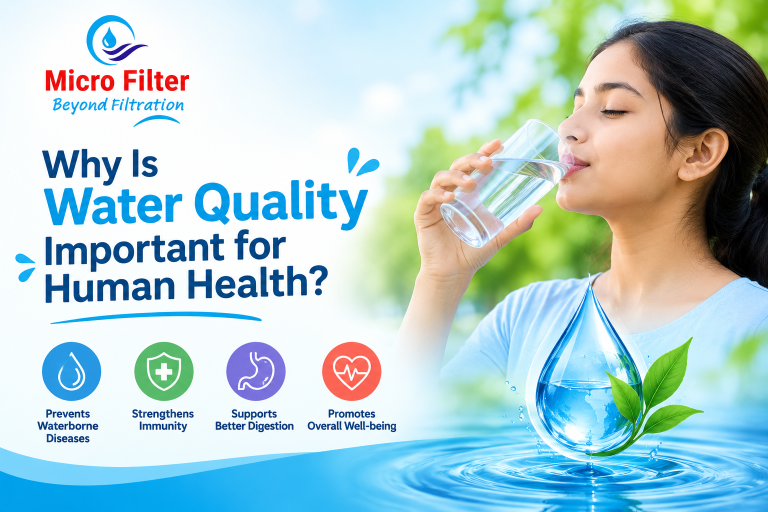
Drinking water may contain impurities that are not always visible, detectable by smell or noticeable through taste. Depending on the water source and local conditions these may include bacteria, viruses, nitrates, lead, arsenic, pesticides and excess dissolved solids.
Although municipal water treatment reduces many risks, contamination can sometimes occur during distribution or storage. Groundwater and borewell water may also have varying mineral content and chemical contaminants.
Regular water quality testing helps identify potential problems and determine whether additional treatment is necessary.
Effects of Poor Water Quality on Infants and Elderly People
Newborns and older adults may respond differently to unsafe drinking water. Their vulnerability depends on factors such as age, exposure, overall health and the type and concentration of contaminants.
1. How Poor Water Quality Affects Newborns
Newborns have developing immune systems and immature organs, making them more vulnerable to certain infections and environmental contaminants.
Potential health risks include:
- Waterborne infections: Disease-causing microorganisms can cause diarrhoea, vomiting and other gastrointestinal illnesses.
- Dehydration: Infants can become dehydrated quickly when they experience diarrhoea or vomiting.
- Nitrate exposure: High nitrate levels in drinking water used to prepare infant formula can cause methemoglobinemia, a serious condition that reduces the blood’s ability to carry oxygen.
- Chemical contamination: Certain contaminants, including lead, may affect neurological development and other aspects of health.
Parents should use water that meets applicable drinking water standards when preparing infant formula. Follow the formula manufacturer’s instructions and healthcare professional’s advice, particularly for newborns and premature babies.
Boiling water can kill many disease-causing microorganisms, but it does not remove nitrate, lead, arsenic or other dissolved chemicals. In some cases, boiling can concentrate these contaminants as water evaporates.
2. How Poor Water Quality Affects Elderly People
As people age, changes in immune function, kidney function and the body’s ability to regulate fluid balance can increase vulnerability to some water-related health risks. Existing conditions and medications may also influence how an older adult responds to contaminated water.
Potential health risks include:
- Gastrointestinal infections: Contaminated water can cause illnesses that may be more difficult to recover from in older adults.
- Dehydration: A reduced sense of thirst can make it harder for some elderly people to recognize when they need fluids.
- Chemical exposure: Long-term exposure to certain contaminants, such as lead or arsenic, can contribute to serious health problems.
- Complications from existing conditions: Older adults with kidney disease or other chronic conditions may need individualized advice about hydration and water composition.
Access to safe drinking water, appropriate hydration and regular water quality monitoring can help reduce avoidable risks.
Newborns vs. Elderly: Understanding the Difference
Factor | Newborns | Elderly people |
Main vulnerability | Developing immune system and organs | Age-related changes and existing health conditions |
Major concern | Infections and specific contaminants such as nitrates | Infections, dehydration, and cumulative chemical exposure |
Hydration needs | Breast milk or correctly prepared infant formula provides necessary fluids | Regular fluid intake, adjusted to individual medical needs |
Water safety priority | Safe water for formula preparation and feeding | Consistently safe drinking water and suitable hydration |
Recommended action | Follow pediatric guidance and test questionable water sources | Monitor water quality and seek medical guidance when needed |
Both age groups benefit from safe water, but the precautions required may differ.
Common Water Contaminants That Families Should Know About
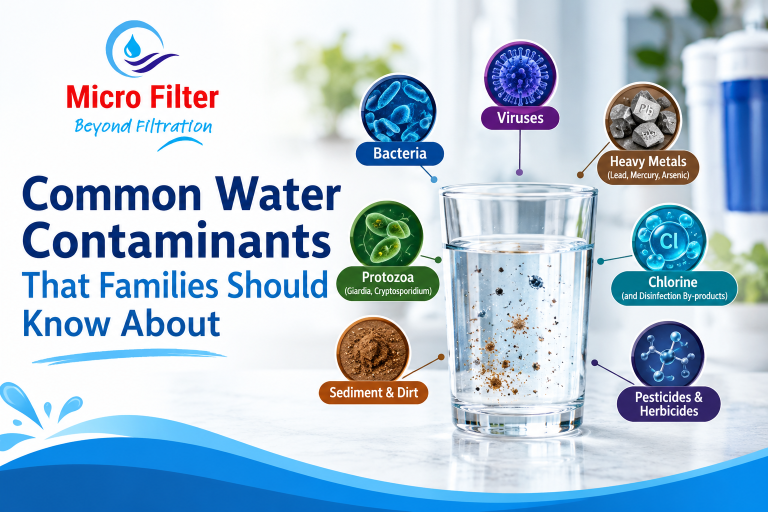
Understanding common contaminants can help households select suitable water treatment methods.
1. Bacteria and Viruses
Microorganisms may enter water through sewage contamination, damaged pipelines, or unsafe storage. Depending on the organism, exposure can cause gastrointestinal infections and other illnesses.
Treatment options may include properly designed UV disinfection, chlorination, or other validated disinfection methods. The correct approach depends on the water source and its contamination risks.
2. Nitrates
Nitrates can enter groundwater through agricultural runoff, fertilizers and sewage. Elevated nitrate levels are a particular concern when water is used to prepare infant formula.
A laboratory test is recommended if nitrate contamination is suspected. Ordinary boiling is not an effective way to remove nitrates.
3. Heavy Metals
Lead and arsenic can occur in water because of natural geological conditions, industrial pollution, or plumbing materials. Long-term exposure can have serious health consequences.
Treatment must be selected according to the contaminant and its measured concentration. Not every household filter removes every heavy metal.
4. Excess Dissolved Solids and Minerals
Water may contain dissolved salts, calcium, magnesium, iron and other substances. Some affect taste, hardness, scaling, or the suitability of water for particular uses.
Total dissolved solids (TDS) measurements can help assess the overall level of dissolved substances, but TDS alone cannot establish whether water is safe to drink. Testing for specific contaminants may still be necessary
How Can Families Improve Drinking Water Safety?
Taking a few practical steps can help households reduce the risks associated with poor water quality.
Test Your Water Regularly
Start by identifying your water source, whether municipal supply, borewell, tanker, or another source. Use a qualified laboratory to test for contaminants relevant to that source and your local conditions.
Choose the Right Water Filtration System
Different filtration technologies address different water quality problems.
- Sediment filters: Help remove suspended particles such as sand, silt and rust.
- Activated carbon filters: Can reduce chlorine, unpleasant tastes and certain organic compounds, depending on the filter design.
- Reverse osmosis (RO): Can reduce many dissolved salts and selected contaminants when the system is appropriately designed and maintained.
- Ultraviolet (UV) treatment: Helps inactivate susceptible microorganisms when operated correctly, but does not remove dissolved chemicals.
A multi-stage system may be suitable when testing identifies multiple contamination concerns. However, no single system should be assumed to remove every possible contaminant.
Maintain Your Water Purifier
A water purifier can lose effectiveness if its filters or membranes are worn out, its storage tank is contaminated, or its components are not maintained correctly.
Follow the manufacturer’s replacement schedule, sanitize the system when recommended, inspect for leaks and use compatible replacement components. Water quality, daily consumption and system specifications can all affect maintenance requirements.
Store Drinking Water Safely
Use clean, food-grade containers with secure lids. Avoid dipping unwashed hands or utensils into stored water and clean storage tanks regularly.
If a water advisory has been issued, follow the instructions provided by the relevant public health authority.
Frequently Asked Questions
1. Why are newborns more vulnerable to contaminated water?
2. Can poor water quality affect elderly people?
3. Is boiled water always safe for newborns and elderly people?
4. Is RO water suitable for everyone?
5. How can I check whether my drinking water is safe?
How Micro Filter Supports Water Filtration Solutions
Micro Filter Polymers Limited provides water purification products and filtration components for domestic, commercial and industrial applications. Its product range includes polypropylene (PP) filters, wound filters, pre-filter housings, UF membranes and other RO water purifier accessories.
These components serve different filtration purposes and should be selected according to the water source, required treatment and specifications of the complete purification system.
For households concerned about water quality, selecting appropriate filtration technology and maintaining the system correctly are important parts of a broader drinking water safety plan.
Explore Micro Filter’s water purifier accessories and RO spare parts to learn more about available filtration components.
The effects of poor water quality on infants and elderly people can vary because their bodies have different vulnerabilities and health requirements. Newborns need special protection from infections and contaminants such as nitrates, while elderly people may face additional risks from dehydration, infections and certain chemical exposures.
Regular water testing, appropriate filtration, safe storage and timely purifier maintenance can help households make better-informed decisions about drinking water safety.
Micro Filter Polymers Limited offers a range of filtration components designed for different water treatment applications. Selecting suitable products based on actual water quality and maintaining the complete purification system can support a more reliable approach to clean drinking water.
Contact Micro Filter Polymers Limited to learn more about water filtration components and purification solutions for your requirements.