
Sewage Treatment Plants (STPs) are essential to preserving a sustainable, clean environment in a world where pollution and water scarcity are major issues. Every day, wastewater is produced in every home, apartment, workplace, and company. If this sewage is not cleaned, it can have negative effects on the environment and public health.
Before being discharged into natural water bodies or utilized again for secondary uses like gardening, flushing, or cooling towers, wastewater from residential, commercial, or industrial locations must first be cleaned and purified by a sewage treatment plant (STP).
Let’s examine the definition, operation, and importance of a STP as well as how Micro Filter uses cutting-edge filtration components to facilitate effective water management.
Table of Contents
ToggleWhat Is a Sewage Treatment Plant?
A sewage treatment plant is a facility that uses physical, biological, and chemical methods to remove pollutants, suspended solids, and dangerous bacteria from wastewater.
An STP’s primary goal is to generate safe sludge that may be disposed of or utilized as manure, as well as clean, reusable water.
STPs are installed in:
- Residential complexes and societies
- Commercial structures (offices, hotels, and malls)
- Facilities for industry
- Schools and hospitals
By the 2000s, Indian companies have begun producing RO systems domestically, lowering their cost and opening them up to middle-class households. As groundwater pollution rose, companies like Pureit, Aquaguard, and Kent made its use more widely known. Improvements like mineralization, UF, and UV allowed RO systems to adapt to a variety of water conditions. Since they are now necessary industrial and domestic items, India is one of the water purifier marketplaces with the fastest rate of growth.
Working of sewage treatment plant
The sewage treatment process typically occurs in three main stages: Primary, Secondary, and Tertiary Treatment. Each stage plays an important role in purifying wastewater effectively.
1. Primary Treatment – Use to Remove Large Solids
Large solid particles, plastics, and grit are eliminated during the first stage of screening and sedimentation.
Steps in the Process:
Examining: Debris such as paper, plastic, and cloth are removed by bar screens or mesh filters.
Grit Chamber: Facilitates the settling of heavier particles, such as stones and debris.
In a sedimentation tank, lighter materials like oil and grease float and are skimmed off, while suspended solids sink to the bottom and produce “sludge.”
At this step, the water still contains organic waste and microorganisms — which are treated in the next phase.
2. Secondary Treatment – Biological Decomposition
In this biological step, organic contaminants are broken down by microorganisms with the help of oxygen.
Commonly used technologies include:
- Activated Sludge Process (ASP).
- Biofilm Reactor with Moving Beds (MBBR)
- SBR stands for Sequential Batch Reactor.
How It Operates: To promote the breakdown of organic waste by bacteria, air is pushed into the aeration tank. These bacteria create “flocs” that take up and break down organic materials. Following aeration, the water enters a secondary clarifier, where the sludge, or microbial biomass, settles.
While the remainder of this sludge is transferred for additional treatment or drying, some of it is recycled back to sustain bacterial activity.
3. Tertiary Treatment – Polishing and Disinfection
After biological treatment, any leftover fine particles, bacteria, and dissolved contaminants are eliminated in the tertiary stage. Filtration and disinfection are essential in this situation.
Procedures Used:
- Carbon Filtration or Sand
- Ultrafiltration (UF)
- Osmosis in reverse (RO)
- Chlorine or UV disinfection
This step makes sure that the treated water satisfies the requirements for safe discharge or reuse.
Advanced Filtration Integration: The Function of Micro Filters
Components of the Micro Filter can greatly improve the purification quality at the tertiary stage.
We are a reputable brand in the production of RO replacement parts and water filtration, offers premium filter cartridges, membranes, and alkaline filters that are utilized in different phases of wastewater and water treatment systems.
The following are some ways that Micro Filter products improve STP efficiency:
- High-performance cartridges are used to improve water clarity and remove fine suspended materials in the tertiary stage.
- Activated carbon filters make the water suitable for reuse by removing organic contaminants, odor, and leftover chlorine.
- Alkaline filters: Assist in bringing treated water’s pH back into balance so that it can be used for flushing, gardening, or process reuse.
- RO & UF Modules: Micro Filter provides parts for tertiary treatment systems that guarantee excellent purity and longevity.
Businesses can accomplish the following by using Micro Filter cartridges and parts into STP systems:
- Improved performance of the filter
- Extended lifespan of therapeutic apparatus
- Lower upkeep expenses
- Enhanced treated water quality
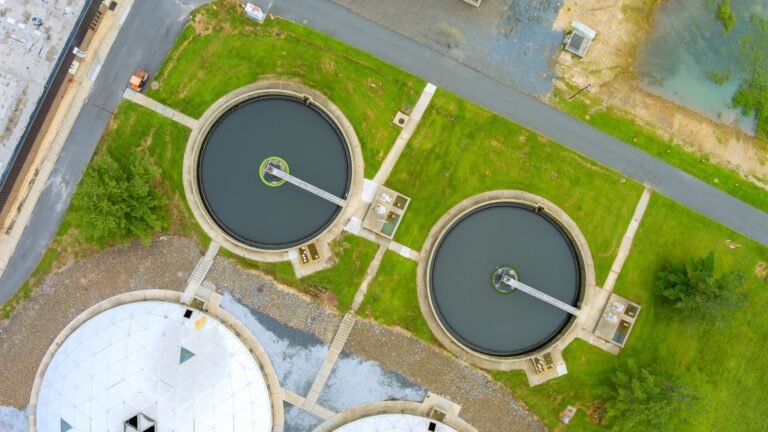
Importance of Sewage Treatment Plants
- Sewage treatment plants are essential for sustainable urban living, not merely for complying with regulations. This is the reason:
- Environmental Protection: Prevents groundwater, lakes, and rivers from becoming contaminated.
- Water Reuse: Industrial operations, building, and gardening can all benefit from the reuse of treated water.
- Safety for Public Health: Prevents the spread of illnesses brought on by tainted water.
- Regulatory Compliance: Assists industries, societies, and builders in adhering to pollution control regulations.
- Resource Recovery: Biogas can be produced from organic waste, and treated sludge can be utilized as fertilizer.
Maintenance and Monitoring
Regular maintenance ensures your STP operates efficiently.
- Examining pumps and aeration
- Cleaning membranes and filters
- Tracking the levels of pH, BOD, and COD
- On-time equipment maintenance and sludge removal
Using reliable filter components from Micro Filter can significantly reduce downtime and improve system performance.
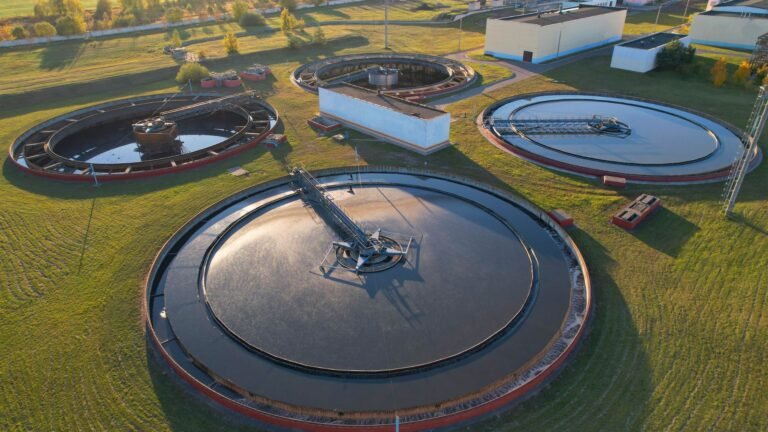
One of the most crucial pieces of infrastructure for every contemporary city or business is a sewage treatment plant. It promotes sustainable living and water conservation in addition to environmental protection.
STPs can increase purification efficiency, extend equipment life, and improve water quality by incorporating cutting-edge filtration technology from Micro Filter, thereby contributing to a cleaner, greener world.
Looking to enhance your STP performance with reliable filtration components?
Partner with Micro Filter — your trusted source for RO cartridges, alkaline filters, and industrial water treatment solutions.
Get in touch today to discuss bulk supply or customized solutions for your project.