Water is not just a utility in a healthcare facility. It is a clinical input. From sterilization autoclaves and dialysis machines to scrub sinks and pharmaceutical compounding, the purity of water flowing through a hospital directly affects patient safety. A single lapse in water quality can trigger hospital-acquired infections, compromise sterile instrument processing, or introduce contaminants into life-critical procedures.
This is why reverse osmosis (RO) technology sits at the heart of virtually every healthcare water treatment system and why the components you choose for that system are anything but a commodity purchase.
Table of Contents
ToggleThe Unique Water Demands of Healthcare Facilities
Hospitals and clinics face water quality challenges that ordinary commercial buildings simply do not. Consider:
- Hemodialysis units require ultra-pure water. Even trace levels of chloramines, bacteria, or heavy metals can cause acute patient harm.
- Central sterile departments rely on high-purity water to ensure that steam autoclaves do not deposit mineral scale inside surgical instruments or tubing.
- Pharmacies and compounding labs need water that meets USP Purified Water or Water for Injection standards.
- ICU and surgical wards require potable water free from Legionella, Pseudomonas, and other opportunistic waterborne pathogens.
Ordinary municipal water, even when compliant with drinking water regulations, contains chlorine, chloramines, dissolved minerals, sediment, and biological material that can degrade medical equipment, invalidate lab results, and pose infection risks to immunocompromised patients.
How Industrial and Commercial RO Plants Solve This Problem
Reverse osmosis works by forcing water through a semi-permeable membrane at pressure, rejecting dissolved solids, bacteria, pyrogens, and organics. The result is water with significantly reduced total dissolved solids (TDS) that can then be further polished for specific clinical applications.
Healthcare facilities typically deploy one of two scales of RO system:
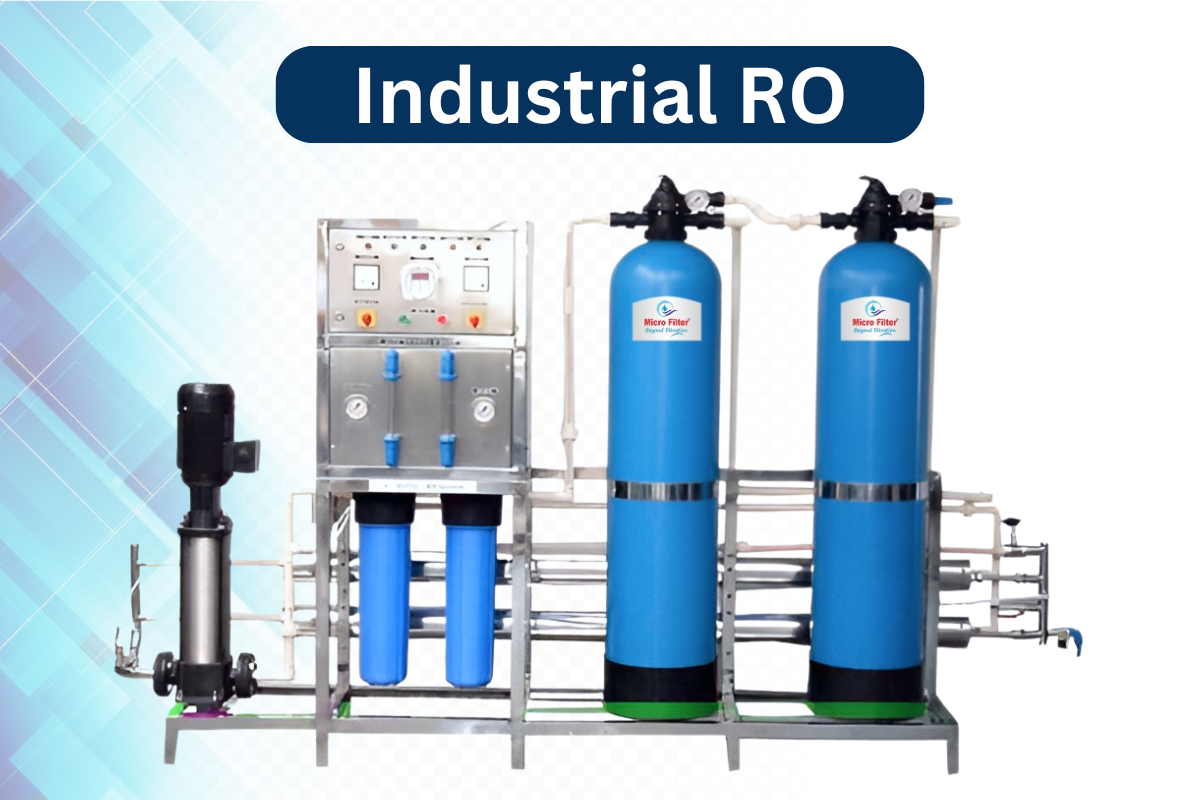
Industrial RO Plants are designed for large hospitals, multi-building campuses, and dialysis centers with high-volume, continuous demand. These systems produce thousands of liters per hour and often feed a looped distribution network throughout the facility, keeping purified water circulating at controlled temperatures to suppress bacterial growth.
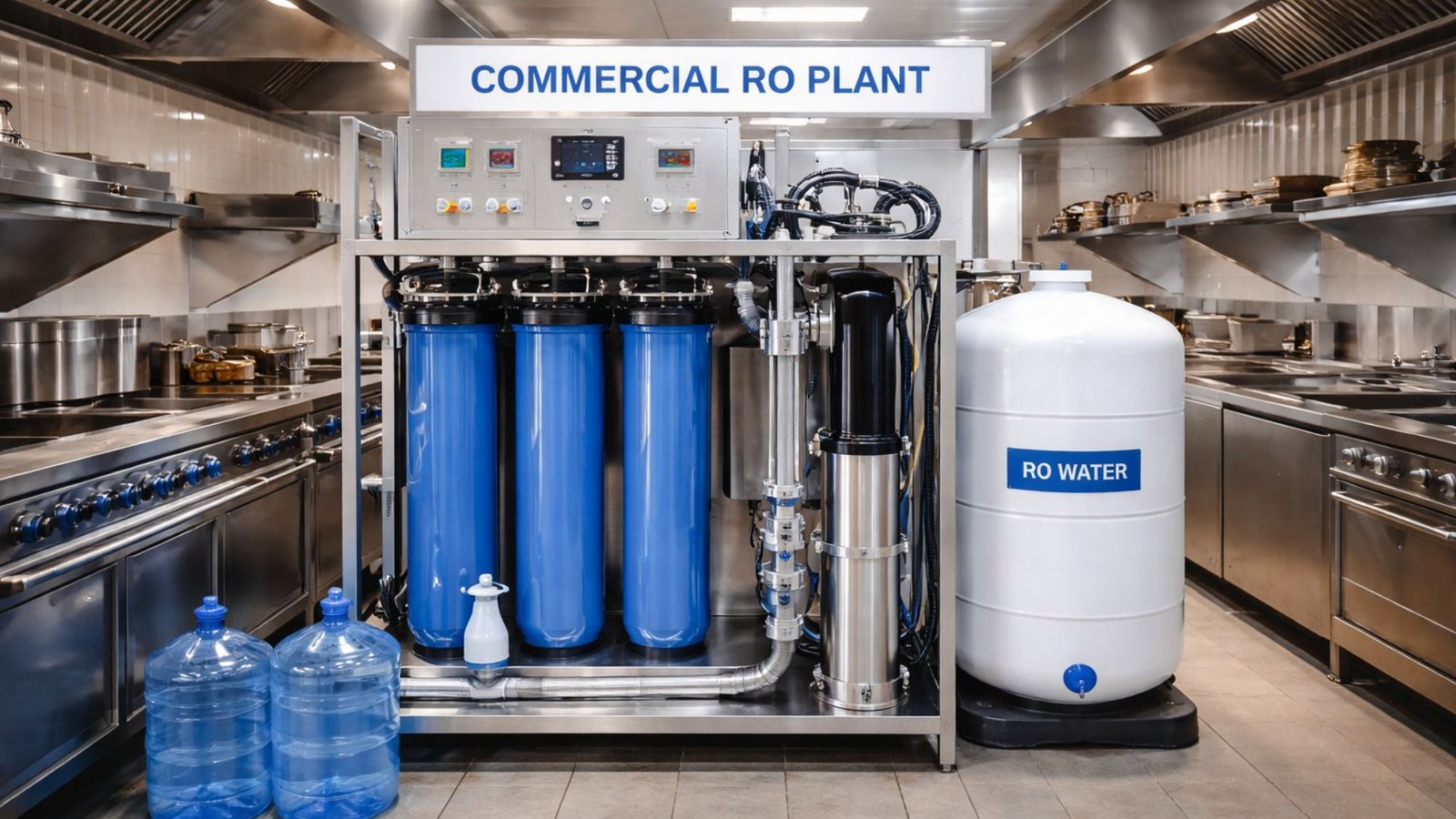
Commercial RO Plants serve mid-sized clinics, diagnostic labs, dental hospitals, specialty centers, and smaller nursing homes. They deliver reliable purity at volumes calibrated to the facility’s daily demand without the capital intensity of a full industrial installation.
Both types share a critical dependency: the performance of every downstream component in the system. An RO membrane is only as effective as the pre-treatment train protecting it.
The True Cost of Cutting Corners on RO Components
Procurement teams under budget pressure sometimes treat RO components as interchangeable commodities and source the cheapest available parts. In a residential or light commercial context, this may be an acceptable calculated risk. In a hospital, it is not.
Consider what happens when a pre-filter housing fails or a wound cartridge of dubious quality sheds fibers.
The liability, reputational, and clinical consequences of a waterborne incident in a hospital vastly exceed the small cost savings from inferior components.
A Framework for Specifying Healthcare RO Parts
When evaluating RO components for a hospital or clinic system, apply this checklist:
Material compliance: Are all wetted surfaces made from food-grade, medical-grade, or NSF-certified materials? Does the supplier provide material safety data sheets?
Pressure ratings: Are housings and fittings rated comfortably above the operating pressure of your RO system, including surge conditions?
Micron specificity: Do wound cartridges and inline micro filters carry independently certified micron ratings, not just nominal ratings? Absolute-rated filters provide reliable protection; nominal ratings are approximate.
Compatibility: Do inline push-fit sets match the tubing diameter and fitting standards used elsewhere in your system? Mismatched fittings are a common source of leaks and contamination.
Changeout intervals: Has the supplier provided validated service life data, not just general guidance? Healthcare facilities benefit from clear maintenance schedules that can be built into facility management systems.
Traceability: Can the supplier provide batch documentation for cartridges? In a regulated healthcare environment, lot traceability matters for audit purposes.
Local support: Is the supplier able to provide prompt stock and technical support? A dialysis unit cannot wait two weeks for a replacement cartridge.
Integrating Water Treatment into Hospital Infrastructure Planning
Water treatment is most effective when it is designed into the facility plan from the beginning rather than retrofitted. Healthcare architects and biomedical engineering teams should work together to:
- Map all water use points and their quality requirements
- Size the central RO plant for peak demand with redundancy
- Design a looped hot and cold distribution system that prevents stagnation
- Specify point-of-use filtration at all clinical outlets
- Establish a documented water safety plan aligned with WHO and national guidelines
For existing facilities, a water quality audit is the logical starting point. Measure TDS, bacterial counts, chlorine residual, and hardness at multiple points in the distribution system. The audit results will identify whether the central treatment system is adequate and where pre-treatment or point-of-use upgrades are needed.
Conclusion
Water treatment in healthcare is a patient safety function, not a facilities management afterthought. The industrial and commercial RO plants that purify water for hospitals depend on a chain of components, wound filters, pre-filter housings, inline micro filter sets, and correctly matched membranes, each of which must perform reliably every day. Supportive technologies like copper filters and alkaline water filters further enhance water quality in areas where staff and patient wellbeing is the focus.
Specifying quality-verified, standards-compliant RO components is not a luxury; it is a clinical imperative. The patients who depend on dialysis, sterile instruments, and uncontaminated water have no margin for error, and neither do the facilities responsible for their care.
Looking to specify the right RO components for your hospital or healthcare facility? Connect with our team for a water quality audit and system recommendation tailored to your facility’s clinical and operational needs.