Effluent Treatment Plants (ETP)
Effluent Treatment Plants (ETP)

Introduction to Effluent Treatment Plants
Effluent Treatment Plants (ETPs) are important systems. They manage wastewater, also called effluent, from different industrial activities. The treated water can be reused or safely released into the environment. This follows government and environmental standards. ETPs play an important role in fighting pollution and promoting water conservation. They are essential for industries like pharmaceuticals, chemicals, textiles, and food processing.
As industrial activities increase, we must manage wastewater responsibly. This is important not only for legal reasons but also our environmental responsibility. By having a professionally installed ETP, industries can not only meet pollution control regulations but also support sustainable development.
Requirement Brief
What Is Effluent?
Effluent refers to wastewater created as a by-product of commercial or industrial activities. It may consist of harmful materials like greases, oils, detergents, heavy metals, chemicals, organic matter, and suspended solids. If this wastewater flows untreated, it can harm soil quality, water bodies, aquatic life, and public health.
Importance of Effluent Treatment Plants
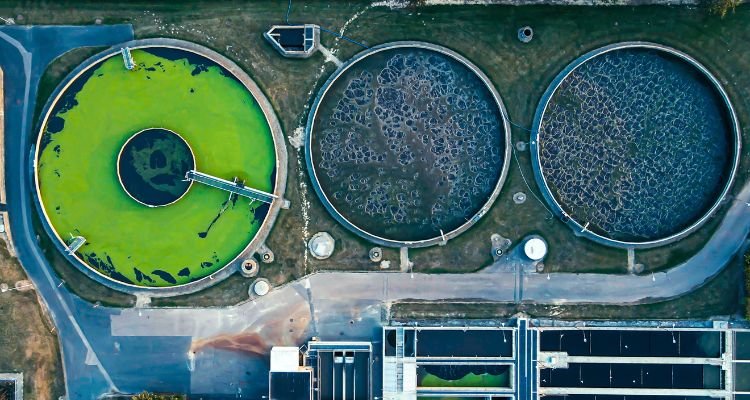
The primary function of an Effluent Treatment Plant is the treatment of industrial wastewater. It renders the water safe for use in the environment. Here’s why one needs to install an ETP:
- Environmental Protection: It avoids pollution of water sources and land.
- Regulatory Compliance: Complies with CPCB, SPCB, and local municipal
- Water Reuse: Allows industries to recycle and use the treated water, cutting down on fresh water usage.
- Cost-Efficiency: Reduces long-term operation costs and avoids penalties for non-compliance.
- Corporate Responsibility: Enhances brand reputation through the encouragement of environmental-friendly practices.
Working Principle of an Effluent Treatment Plant
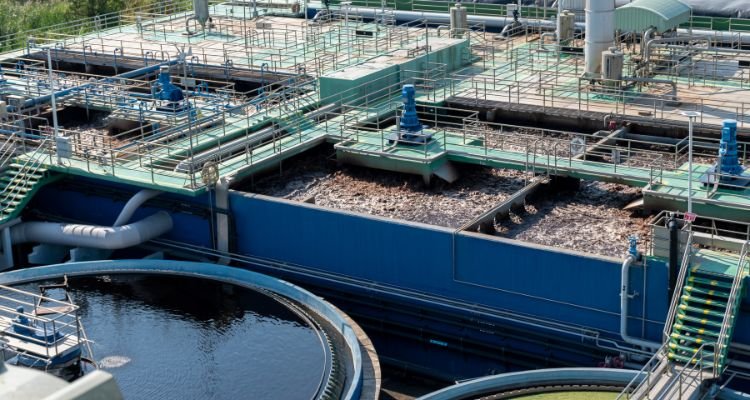
An industrial effluent treatment plant treats wastewater from factories. It makes the water safe for reuse or discharge. It operates in multiple stages, typically categorized into preliminary, primary, secondary, and tertiary treatment processes. Each stage plays a critical role in removing contaminants from the wastewater.
1. Preliminary Treatment
This is the first step in the industrial waste treatment plant. It aims to remove large and coarse solids. These solids can damage equipment or slow down further treatment processes.
- Screening: Removes large particles like plastic, paper, cloth, and rags.
- Grit Removal: Eliminates heavy inorganic materials such as sand, gravel, and metal fragments.
2. Primary Treatment
In this stage, the industrial effluent treatment plant works to separate suspended solids. It also removes other organic and inorganic matter that can settle.
- Sedimentation: Allows solid particles to settle at the bottom of a tank by
- Oil & Grease Removal: Skimming systems are used to separate floating oils, fats, and greases from the water surface.
3. Secondary Treatment
In this stage of the industrial wastewater treatment plant, microorganisms are added. They help break down organic pollutants in the wastewater.
- Biological Treatment: Utilizes aerobic or anaerobic microbial processes to digest organic matter.
- Activated Sludge Process (ASP): This is a common method. It uses air or oxygen to help microbes grow. These microbes eat pollutants.
4. Tertiary Treatment
The final step in a wastewater treatment plant ensures the water is clean. This treated water must meet quality standards. It can then be safely released or reused.
- Filtration: Removes remaining suspended particles using sand, carbon, or membrane filters.
- Disinfection: Processes like UV treatment, chlorination, or ozonation kill pathogens and harmful bacteria.
- Advanced Treatment: Techniques like Reverse Osmosis (RO) and Activated Carbon Filtration help remove dissolved solids and chemicals. These methods also get rid of any leftover contaminants to achieve very pure water
Types of Effluent Treatment Plants
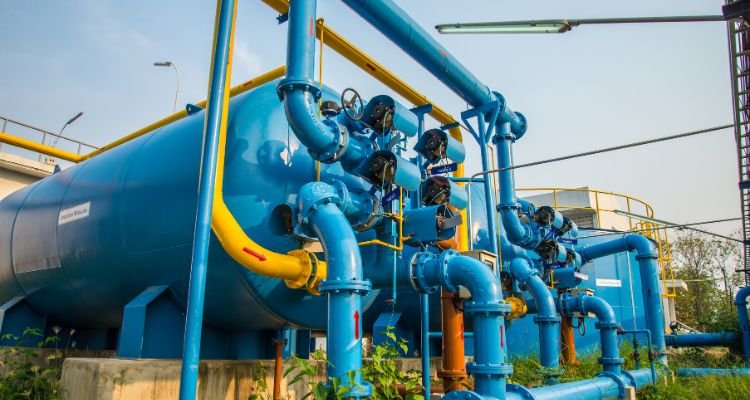
ETPs can be customized based on the type of industry and the nature of effluent generated:
1. Compact ETPs
- Ideal for small to mid-scale industries.
- Easy to install and maintain.
- Modular ETPs
- Scalable units that can be expanded as operations grow.
3. Containerized ETPs
- Mobile units pre-assembled in containers, suitable for temporary or remote sites.
4. Customized ETPs
- Fully designed based on the specific chemical and biological load of a facility’s effluent.
At Micro Filter, we offer trustworthy and effective Effluent Treatment Plants (ETPs) customized for any industry. From textiles, chemicals, to food processing and pharmaceuticals, our solutions guarantee complete regulatory compliance, minimized water wastage, and environmentally friendly operations. As top manufacturers of effluent treatment plants, we use advanced technology and our industry knowledge. This helps us create sustainable and cost-effective wastewater treatment systems.
Why Select Us for Your Effluent Treatment Plant?
We are a renowned supplier of Effluent Treatment Plants with years of experience in diverse industrial segments. Here’s what makes us different:
- Customized Solutions: Designed to your industry’s individual effluent profile.
- Advanced Technology: We employ the most recent methods for effective and cost-efficient wastewater treatment.
- Turnkey Projects: From design and manufacturing to installation and maintenance, we do it all.
- Regulatory Expertise: We guide you through legal norms and obtain environmental clearances.
- After-Sales Support: Our after-sales support team keeps your plant working with zero downtime.
Our ETP Services Include
- ETP Design and Engineering
- On-site Installation
- Operation & Maintenance Contracts (AMC)
- Upgrading existing ETPs
- Environmental Audit and Water Testing
Get in Touch
Looking for a reliable Effluent Treatment Plant solution for your industry? Effluent Treatment Plants are an essential investment for any industry committed to environmental safety and legal compliance. As pollution and resource conservation become more important, a good ETP helps your business avoid fines and supports sustainability.
Partner with us for a modern, efficient, and affordable way to treat wastewater.
Contact us today for a free consultation and site visit.